
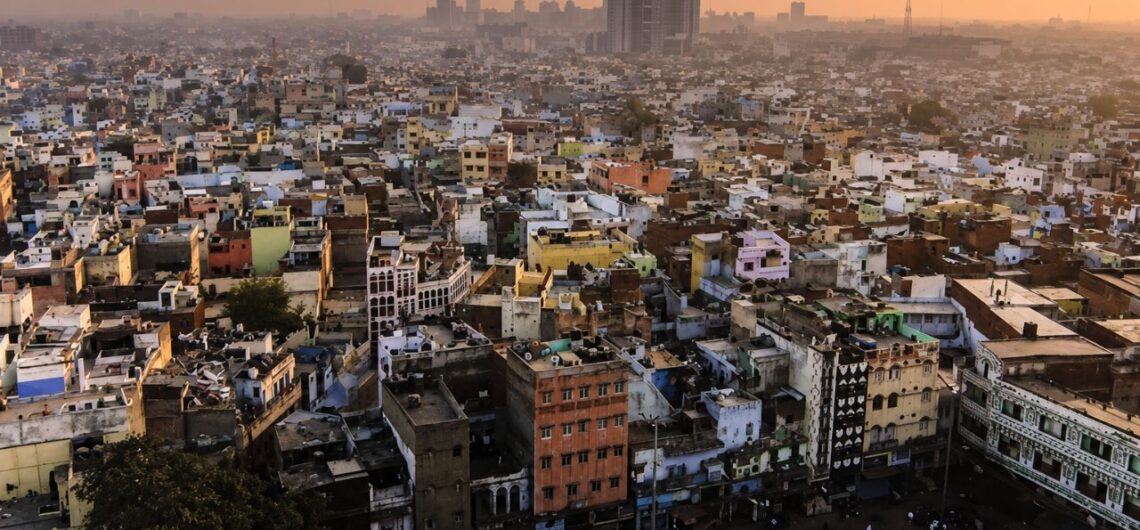
Ask any first-time visitor to Delhi what confuses them most, and the answer is almost always the same: is New Delhi and Old Delhi the same city, or two different places? The short answer is that both are part of one metropolitan capital, but they feel like two entirely different worlds — one built by Mughal emperors in the 1600s, the other designed by the British in the 1900s.
If you’re planning your first trip, understanding Delhi’s two historic districts before you land will save you time, help you dress and plan appropriately, and let you build a smarter itinerary. This guide breaks down the history, the attractions, and exactly how to experience both — including how a well-timed Old and New Delhi Private Guided Tour by Car can help you cover both sides comfortably in a single day.
What Is Old Delhi?
Old Delhi is the historic walled city built by Mughal emperor Shah Jahan in the 17th century, originally named Shahjahanabad. It’s the Delhi of narrow lanes, centuries-old havelis, and a skyline dominated by domes and minarets rather than glass towers.
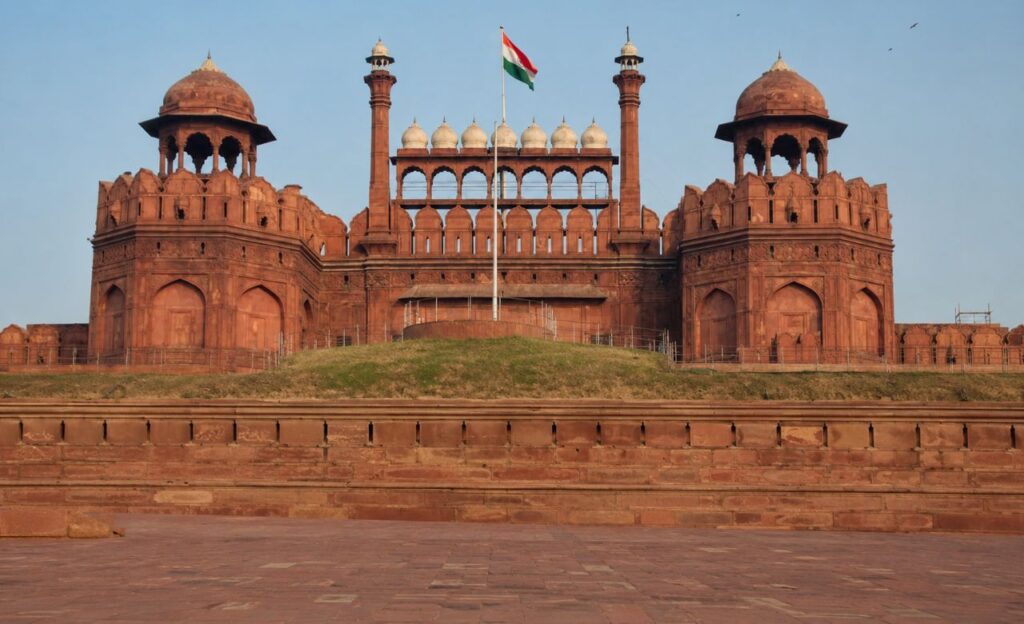
This is where Mughal architecture is at its most dramatic — the Red Fort and Jama Masjid both date back to Shah Jahan’s reign, and the Red Fort is listed as a UNESCO World Heritage Site. This old quarter’s markets, especially Chandni Chowk and the spice wholesale lane of Khari Baoli, still function the way they did generations ago: loud, crowded, and full of life.
Food defines this historic district as much as its architecture does. Street stalls serving parathas, kebabs, and jalebis have operated on the same corners for decades, and many are now considered heritage food destinations in their own right. Local culture here moves at street level — you experience it by walking, not by driving past it.
Local Tip from Our Delhi Tour Experts: If it’s your first visit, start exploring this historic quarter before 9:00 AM. The lanes are quieter, the temperature is far more manageable, and you’ll get clean, uncrowded photos of Chandni Chowk before the day’s trading really picks up. Our drivers time morning pickups around this window specifically for first-time visitors.
What Is New Delhi?
New Delhi is the planned capital built by the British in the early 20th century, with Edwin Lutyens as its chief architect — which is why this area is often called Lutyens’ Delhi. Where the old walled city is dense and vertical, this newer capital is horizontal and green: wide boulevards, roundabouts, and generous parkland.
This is the seat of government — Rashtrapati Bhavan (the presidential residence), Parliament House, and the diplomatic enclave all sit here. The area is also where you’ll find most luxury hotels, embassies, and upscale shopping at Connaught Place. The pace is calmer, the roads are wider, and the architecture favors columns and symmetry over domes and arches. For official heritage details on sites across the capital, Delhi Tourism and the Archaeological Survey of India are the two most reliable government references.
The old city and the new capital: What’s the Main Difference?
The clearest way to understand The old city and the new capital is side by side:
| Factor | Old Delhi | New Delhi |
|---|---|---|
| Built by | Mughal Empire (1600s) | British Raj (early 1900s) |
| Architecture | Mughal domes, arches, havelis | Colonial columns, wide avenues |
| Streets | Narrow, congested lanes | Wide roads, roundabouts |
| Shopping | Chandni Chowk bazaars | Connaught Place, malls |
| Food scene | Street food, heritage eateries | Restaurants, hotel dining |
| Transport | Walking, rickshaw | Metro, car, taxi |
| Atmosphere | Chaotic, historic, sensory | Ordered, formal, spacious |
| Best for | Culture, food, photography | Government sights, luxury stays |
In short: the old quarter shows you how the city began, and the newer capital shows you how India built its modern identity around it.
Best Places to Visit in Old Delhi
- Red Fort — the Mughal citadel and a UNESCO World Heritage Site; open Tuesday–Sunday, roughly ₹35–550 depending on nationality; arrive early to beat both heat and crowds.
- Jama Masjid — one of India’s largest mosques; free entry, small camera fee applies; modest clothing is required, and robes are available to borrow at the entrance.
- Chandni Chowk — the main bazaar street; free to walk, go on foot, and set aside at least two hours to actually enjoy it rather than rush through.
- Khari Baoli — Asia’s largest spice market, free to browse, best visited in the morning when the alleys are less crowded and the light is better for photos.
- Raj Ghat — the memorial to Mahatma Gandhi; free entry; a quiet, reflective contrast to the market chaos nearby.
Ticket prices and opening hours change periodically, so it’s worth confirming current rates on the Archaeological Survey of India site before your visit.
Best Places to Visit in New Delhi
- India Gate — the war memorial; free, open 24 hours, and one of Delhi’s most photographed landmarks, especially at sunset.
- Qutub Minar — a 73-metre minaret and UNESCO site, roughly ₹35–550 depending on nationality; technically pre-dating the Mughals but grouped with the capital’s southern attractions.
- Humayun’s Tomb — the architectural predecessor to the Taj Mahal, similarly priced to Qutub Minar, and far less crowded.
- Lotus Temple — the Bahá’í House of Worship, free entry, known for its flower-shaped architecture.
- Rashtrapati Bhavan — the presidential residence, free to view from Raisina Hill; interior access requires advance online booking.
- Lodhi Garden — a green, peaceful park with 15th-century tombs scattered through it; free entry, open daily from sunrise to sunset.
- Connaught Place — Delhi’s central shopping and dining hub; free to explore, spending depends entirely on where you eat and shop.
Can You Explore The old city and the new capital in One Day?
Yes — visiting both These two parts of Delhi
in a single day is realistic if your route is planned well and you’re not relying on public transport alone.
- Morning: Start in the old quarter. Visit the Red Fort at opening time, walk to Jama Masjid, then explore Chandni Chowk and Khari Baoli before the midday heat.
- Afternoon: Cross over to the newer capital. Cover Humayun’s Tomb and Qutub Minar, then pass by India Gate and Rashtrapati Bhavan.
- Evening: End at Lodhi Garden or Connaught Place for a relaxed dinner.
This pace is tight on your own, which is why most first-time visitors book a Half Day Delhi City Tour or a full-day private car tour — a driver who knows the shortcuts across the city easily saves two to three hours compared to self-navigating.
Which Is Better for First-Time Visitors?
There’s no single “better” side — it depends on what you’re travelling for.
- Families tend to prefer the newer capital’s open spaces and easier logistics, with a shorter, guided walk through the old quarter.
- Couples often enjoy the old quarter’s food and market atmosphere combined with a calmer evening on the newer side of town.
- Solo travellers get the most out of Old Delhi’s street-level culture, since it’s easiest to navigate on foot without coordinating a group.
- Luxury travellers usually base themselves near the capital’s hotels and visit the walled city on a guided day trip rather than staying there.
- Food lovers and photographers should prioritize the old quarter, while history enthusiasts will want equal time in both.
For most first-timers, the honest answer is: don’t choose. Experiencing These two parts of Delhi together is what actually explains the city.
Best Time to Visit Historic Delhi and the capital district
October through March is the most comfortable window, with cooler temperatures and clearer skies. Sunrise visits to the Red Fort and sunset at India Gate both avoid the harshest midday sun and the biggest crowds. Winter also brings Delhi’s festival season, including Diwali, which adds extra color to both areas — though it also brings heavier crowds and traffic. Summers (April–June) are intensely hot and better suited to shorter, air-conditioned-transport itineraries.
How to Travel Between Historic Delhi and the capital district
The Delhi Metro is fast and inexpensive (fares typically range from ₹10–60 depending on distance) but involves walking, stairs, and crowds, which can be tough with luggage, small children, or limited mobility. Uber and metered taxis are convenient for point-to-point trips (roughly ₹150–400 between the two districts depending on traffic) but get stuck in the old quarter’s narrow lanes. Auto-rickshaws handle those same lanes better than cars, usually for ₹50–150 per short trip. Walking is the only real way to experience Chandni Chowk properly. A private guided tour by car typically runs from a half-day to full-day rate and covers fuel, parking, and driver wait time in one fixed price — for exact current rates, see our Delhi Tour Packages page.
For travellers with limited mobility, the newer capital’s wide, paved avenues are considerably easier to navigate than the old quarter’s uneven lanes and stepped monument entrances; if accessibility is a priority, a private car with a driver who can pull up close to each entrance is the most practical option in both areas.
Essential Local Travel Tips
- Dress modestly, especially at Jama Masjid and other religious sites.
- Wear comfortable, closed-toe footwear — the old quarter’s streets are uneven.
- Carry small cash for markets, though UPI and cards are increasingly accepted in the newer capital.
- Light bargaining is normal in the old quarter’s bazaars, less so in fixed-price shops on the newer side of town.
- Carry bottled water, especially between March and June.
- Visit major monuments early morning or late afternoon for better light and smaller crowds.
Why Exploring Both Gives You the Complete Delhi Experience
Seeing only the newer capital gives you India’s modern side without its roots. Seeing only the old quarter gives you history without context for how the city evolved. Together, they tell the full story — from Shahjahanabad’s 17th-century lanes to Lutyens’ 20th-century avenues. That’s exactly why understanding New Delhi and Old Delhi together, rather than choosing one over the other, gives you the most complete picture of the capital. This combination is exactly what our Delhi Tour Packages are built around, pairing both sides of the city into one well-paced experience.
Frequently Asked Questions
Is Delhi’s historic and modern sides are same?
No. These two parts of Delhi are two distinct areas within the same city The old city and the new capital is the 17th-century Mughal walled city; New capital is the 20th-century capital built by the British.
Which is older, Delhi’s historic and modern sides?
The old quarter is older. It was founded as Shahjahanabad in 1638, while the modern capital was completed in 1931 as the British colonial project.
Can you visit both Historic Delhi and the capital district?
Yes, with efficient planning or a private guided tour, both areas can realistically be covered in a single day.
Which is better for shopping, Historic Delhi and the capital district?
The old quarter’s Chandni Chowk is best for traditional bazaars, spices, and textiles, while the newer capital’s Connaught Place offers organized retail, malls, and international brands.
Which has better street food, New Delhi or Old Delhi?
The old quarter is widely considered Delhi’s street food capital, with decades-old stalls serving parathas, kebabs, and chaat.
Is the Delhi Metro the best way to travel between the two areas?
The Metro is fast and affordable but involves walking and crowds. For comfort, especially with luggage or children, a private car is generally more practical.
Which area is safer for tourists?
Both areas are generally safe for tourists during daytime hours. The old quarter’s crowded lanes require more caution with belongings, while the newer capital’s wider streets feel more open.
How many days are enough to see Delhi?
Two to three days allows a relaxed pace across both New Delhi and Old Delhi; one full day is enough for a focused highlights tour.
What is Lutyens’ Delhi?
Lutyens’ Delhi refers to the central district of the newer capital, designed by British architect Edwin Lutyens, encompassing government buildings, wide avenues, and diplomatic areas.
Do I need a guide to visit Old Delhi?
A guide isn’t mandatory but is strongly recommended for first-time visitors, since the old quarter’s dense lanes can be disorienting and a local guide adds historical context you’d otherwise miss.
How much do monument tickets cost in Delhi?
Most major monuments, including the Red Fort, Qutub Minar, and Humayun’s Tomb, charge roughly ₹35 for Indian nationals and up to ₹550 for foreign nationals; sites like India Gate, Jama Masjid, Lotus Temple, and Lodhi Garden are free to enter.

Comments