<!-- wp:paragraph -->
<p>Delhi does not ease you in gently. The moment you step out at New Delhi Railway Station or land at Indira Gandhi International Airport, the city hits you with everything at once — the scale, the noise, the heat, and somewhere beneath all of it, the quiet weight of a place that has been continuously inhabited for over a thousand years.</p>
<!-- /wp:paragraph -->
<!-- wp:paragraph -->
<p>The tourist places in Delhi are not just sightseeing stops. They are chapters of a story running from the Delhi Sultanate through the Mughal empire, the British Raj, and into modern independent India — all compressed into a single metropolitan sprawl that is simultaneously the country's capital and its most historically layered city.</p>
<!-- /wp:paragraph -->
<!-- wp:paragraph -->
<p>This guide is written for the traveler who wants to do Delhi properly. Whether you are a first-time international visitor, a family on a school holiday, a couple on a Golden Triangle itinerary, or a solo traveler with 24 hours and a metro card — this is the practical, honest Delhi travel guide you need.</p>
<!-- /wp:paragraph -->
<!-- wp:heading -->
<h2 class="wp-block-heading">Quick Answer: Top 10 Tourist Places in Delhi</h2>
<!-- /wp:heading -->
<!-- wp:list {"ordered":true} -->
<ol class="wp-block-list"><!-- wp:list-item -->
<li>Red Fort</li>
<!-- /wp:list-item -->
<!-- wp:list-item -->
<li>Qutub Minar</li>
<!-- /wp:list-item -->
<!-- wp:list-item -->
<li>Humayun's Tomb</li>
<!-- /wp:list-item -->
<!-- wp:list-item -->
<li>India Gate</li>
<!-- /wp:list-item -->
<!-- wp:list-item -->
<li>Lotus Temple</li>
<!-- /wp:list-item -->
<!-- wp:list-item -->
<li>Akshardham Temple</li>
<!-- /wp:list-item -->
<!-- wp:list-item -->
<li>Chandni Chowk</li>
<!-- /wp:list-item -->
<!-- wp:list-item -->
<li>Jama Masjid</li>
<!-- /wp:list-item -->
<!-- wp:list-item -->
<li>Lodi Garden</li>
<!-- /wp:list-item -->
<!-- wp:list-item -->
<li>Raj Ghat</li>
<!-- /wp:list-item --></ol>
<!-- /wp:list -->
<!-- wp:heading -->
<h2 class="wp-block-heading">Old Delhi vs New Delhi: Which Should You Explore First?</h2>
<!-- /wp:heading -->
<!-- wp:paragraph -->
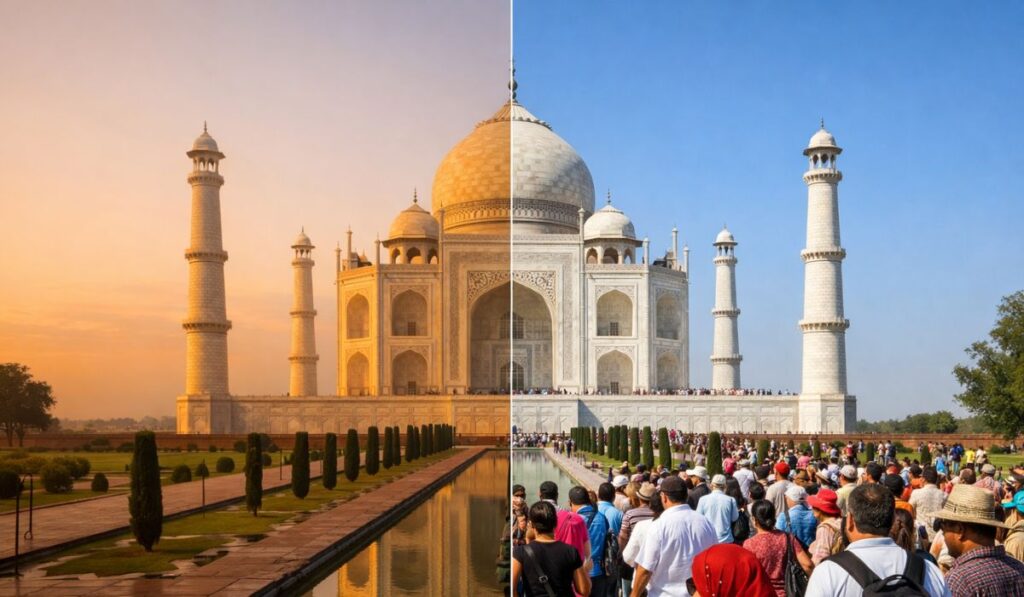
<p>Understanding the difference between Old and New Delhi can save you a lot of confusion, travel time, and unnecessary hassle during your trip.</p>
<!-- /wp:paragraph -->
<!-- wp:image {"id":1909,"sizeSlug":"large","linkDestination":"none"} -->
<figure class="wp-block-image size-large"><img src="https://www.tajwondertour.com/wp-content/uploads/2026/05/old-delhi-vs-new-delhi-1024x597.jpg" alt="Tourist Places in Delhi: Complete Guide for First-Time Visitors
" class="wp-image-1909"/></figure>
<!-- /wp:image -->
<!-- wp:paragraph -->
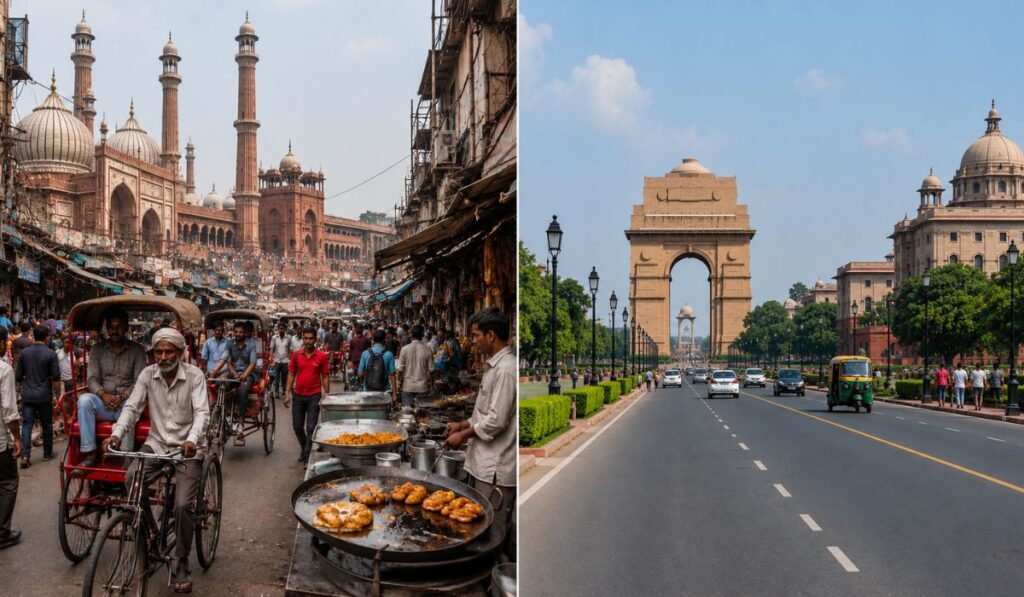
<p><strong>Old Delhi</strong> is the original walled city built by Mughal emperor Shah Jahan in the 17th century. It is dense, ancient, and sensory in a way that few urban environments in the world still are. The lanes of Chandni Chowk are barely wide enough for a cycle-rickshaw and a pedestrian to pass simultaneously. The food here — parathas at Parathe Wali Gali, biryani near Jama Masjid, rabri at the old milk shops — is reason enough to visit Delhi specifically. Old Delhi tourist places reward slow, unhurried exploration.</p>
<!-- /wp:paragraph -->
<!-- wp:paragraph -->
<p><strong>New Delhi</strong> is the British-built capital, designed by Edwin Lutyens and completed in 1931. It is broad, planned, and greener than its reputation suggests. New Delhi attractions are more spread out, which means transport matters more here. The monuments are larger, the experience more formal, and the scale genuinely extraordinary.</p>
<!-- /wp:paragraph -->
<!-- wp:table -->
<figure class="wp-block-table"><table class="has-fixed-layout"><tbody><tr><td><strong>Feature</strong></td><td><strong>Old Delhi</strong></td><td><strong>New Delhi</strong></td></tr><tr><td>Era</td><td>Mughal, 17th century</td><td>British, early 20th century</td></tr><tr><td>Character</td><td>Dense, chaotic, ancient</td><td>Planned, spacious, formal</td></tr><tr><td>Key Sites</td><td>Red Fort, Jama Masjid, Chandni Chowk</td><td>India Gate, Humayun's Tomb, Qutub Minar</td></tr><tr><td>Best Transport</td><td>Cycle rickshaw, walking</td><td>Metro or private car</td></tr><tr><td>Best For</td><td>Food, culture, street life</td><td>Monuments, architecture, history</td></tr></tbody></table></figure>
<!-- /wp:table -->
<!-- wp:paragraph -->
<p>Most first-time visitors underestimate how far apart these two Delhis are in both distance and character. A morning in Old Delhi and an afternoon in New Delhi is the ideal combination — but only with logistics sorted in advance. This is exactly where an<a href="https://www.tajwondertour.com/tours/old-and-new-delhi-private-guided-tour/"> Old and New Delhi private guided tour by car</a> changes the day: a driver who knows the traffic patterns, parking restrictions near Red Fort, and the right entrance at Humayun's Tomb is not a luxury — it is a practical upgrade.</p>
<!-- /wp:paragraph -->
<!-- wp:heading -->
<h2 class="wp-block-heading">Top Tourist Places in Delhi: The Essential Monuments</h2>
<!-- /wp:heading -->
<!-- wp:image {"id":1908,"sizeSlug":"large","linkDestination":"none"} -->
<figure class="wp-block-image size-large"><img src="https://www.tajwondertour.com/wp-content/uploads/2026/05/best-tourist-places-in-delhi-1024x597.jpg" alt="Tourist Places in Delhi: Complete Guide for First-Time Visitors
" class="wp-image-1908"/></figure>
<!-- /wp:image -->
<!-- wp:heading {"level":4} -->
<h4 class="wp-block-heading"><strong>Red Fort</strong></h4>
<!-- /wp:heading -->
<!-- wp:paragraph -->
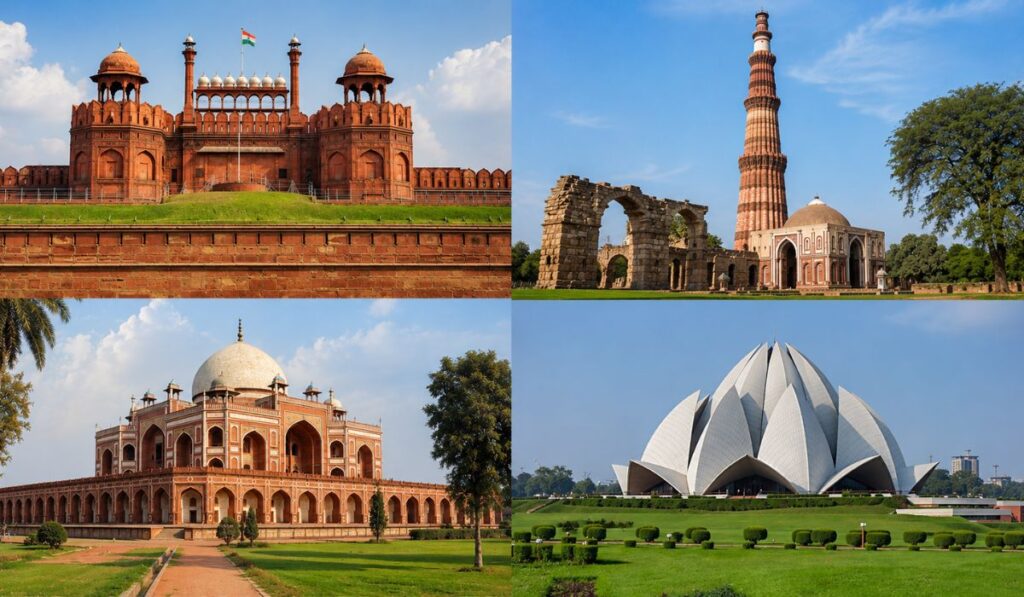
<p>The Red Fort is Delhi's most iconic monument. Built by Shah Jahan between 1638 and 1648 as the seat of Mughal power, its massive sandstone walls glow deep amber in afternoon light. The complex covers 254 acres and includes royal audience halls, private palaces, and Mughal gardens.</p>
<!-- /wp:paragraph -->
<!-- wp:paragraph -->
<p><strong>Timings:</strong> Tuesday–Sunday, 9:30 AM–4:30 PM. <strong>Closed Mondays.</strong> <strong>Entry:</strong> ₹35 Indians / ₹500 foreigners. <strong>Local tip:</strong> Arrive before 9:30 AM. The Diwan-i-Khas and Rang Mahal deserve unhurried attention — most visitors rush them. <strong>Don't miss:</strong> The Sound and Light show on evenings — it provides historical context the daytime visit cannot.</p>
<!-- /wp:paragraph -->
<!-- wp:heading {"level":4} -->
<h4 class="wp-block-heading"><strong>Qutub Minar</strong></h4>
<!-- /wp:heading -->
<!-- wp:paragraph -->
<p>A UNESCO World Heritage Site and one of the most famous places in Delhi, the Qutub Minar stands 73 metres tall and was begun in 1193 by Qutb ud-Din Aibak, founder of the Delhi Sultanate. The surrounding complex includes the Quwwat-ul-Islam mosque and the mysterious Iron Pillar — a 1,600-year-old metallurgical marvel that has never rusted.</p>
<!-- /wp:paragraph -->
<!-- wp:paragraph -->
<p><strong>Timings:</strong> Sunrise to sunset, daily. <strong>Entry:</strong> ₹35 Indians / ₹550 foreigners. <strong>Local tip:</strong> The Mehrauli Archaeological Park directly adjacent contains over 70 historical structures and is almost entirely unvisited. If you have an extra hour, walk in — it is free and extraordinary.</p>
<!-- /wp:paragraph -->
<!-- wp:heading {"level":4} -->
<h4 class="wp-block-heading"><strong>Humayun's Tomb</strong></h4>
<!-- /wp:heading -->
<!-- wp:paragraph -->
<p>Built in 1570, Humayun's Tomb is the finest Mughal garden tomb in India and the direct architectural predecessor of the Taj Mahal. It pioneered the chaharbagh — the formal Persian garden divided by water channels — that defined all Mughal memorial architecture that followed. Another UNESCO World Heritage Site, and on most weekday mornings, considerably less crowded than the Taj.</p>
<!-- /wp:paragraph -->
<!-- wp:paragraph -->
<p><strong>Timings:</strong> Sunrise to sunset, daily. <strong>Entry:</strong> ₹35 Indians / ₹550 foreigners. <strong>Local tip:</strong> Walk five minutes to the Nizamuddin Dargah after your visit — the Sufi shrine of Hazrat Nizamuddin Auliya is one of Delhi's most spiritually charged spaces. Thursday evenings bring live qawwali music.</p>
<!-- /wp:paragraph -->
<!-- wp:heading {"level":4} -->
<h4 class="wp-block-heading"><strong>India Gate</strong></h4>
<!-- /wp:heading -->
<!-- wp:paragraph -->
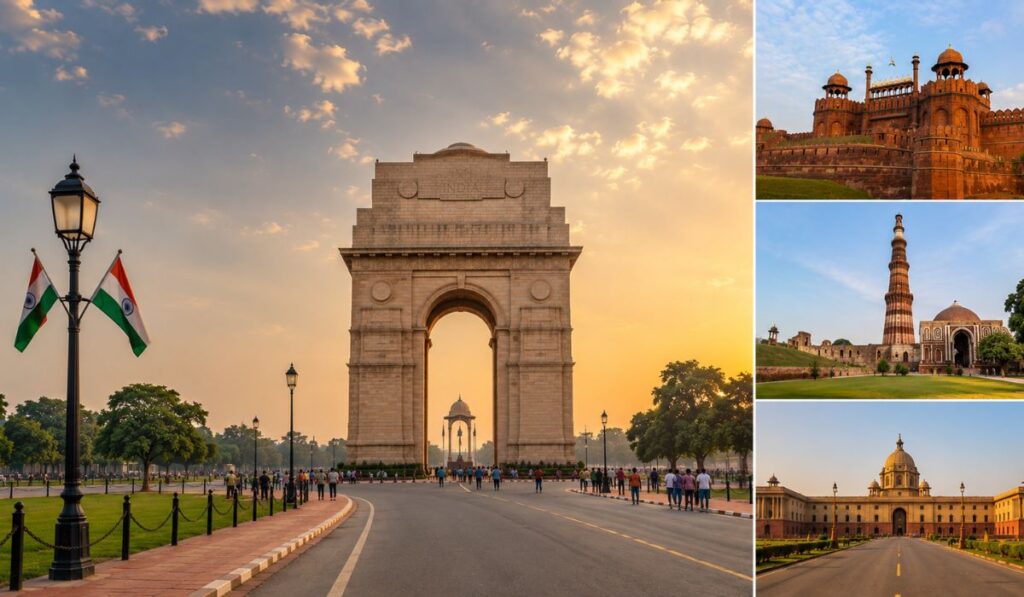
<p>India Gate is Delhi's most visited landmark — a 42-metre war memorial designed by Lutyens, completed in 1931, honouring 70,000 Indian soldiers who died in World War One. The lawns surrounding it are Delhi's great public gathering space.</p>
<!-- /wp:paragraph -->
<!-- wp:paragraph -->
<p><strong>Timings:</strong> Open 24 hours. Free entry. <strong>Local tip:</strong> Visit at sunset or after dark when it is illuminated and the lawns fill with families. Midday in summer is punishing — this is strictly an evening destination. <strong>Don't miss:</strong> The National War Memorial directly behind India Gate. It is newer, more detailed, and rarely crowded.</p>
<!-- /wp:paragraph -->
<!-- wp:heading {"level":4} -->
<h4 class="wp-block-heading"><strong>Lotus Temple</strong></h4>
<!-- /wp:heading -->
<!-- wp:paragraph -->
<p>The Lotus Temple is a Bahá'í House of Worship completed in 1986, shaped like an opening lotus in white marble. Open to people of all religions. No rituals, no sermons — just 2,500 seats of unusual silence in the middle of a loud city.</p>
<!-- /wp:paragraph -->
<!-- wp:paragraph -->
<p><strong>Timings:</strong> Tuesday–Sunday, 9 AM–5:30 PM (winter), 9 AM–7 PM (summer). <strong>Closed Mondays.</strong> <strong>Entry:</strong> Free. <strong>Local tip:</strong> Avoid Sunday afternoons — queues can stretch 90 minutes. Come on a weekday morning and stay for at least 20 minutes inside. The building is designed for stillness.</p>
<!-- /wp:paragraph -->
<!-- wp:heading {"level":4} -->
<h4 class="wp-block-heading"><strong>Jama Masjid</strong></h4>
<!-- /wp:heading -->
<!-- wp:paragraph -->
<p>India's largest mosque, built by Shah Jahan between 1644 and 1658, accommodating 25,000 worshippers in its main courtyard. The red sandstone and white marble construction, visible from blocks away, is one of Delhi's most commanding architectural statements.</p>
<!-- /wp:paragraph -->
<!-- wp:paragraph -->
<p><strong>Timings:</strong> Daily, 7 AM–noon and 1:30 PM–6:30 PM. Closes during prayer times. <strong>Entry:</strong> Free. Photography permit ₹300. <strong>Local tip:</strong> Karim's restaurant — established 1913, two minutes from the mosque — serves Mughal-style food that justifies the entire trip to Old Delhi.</p>
<!-- /wp:paragraph -->
<!-- wp:heading {"level":4} -->
<h4 class="wp-block-heading"><strong>Akshardham Temple</strong></h4>
<!-- /wp:heading -->
<!-- wp:paragraph -->
<p>Completed in 2005, Akshardham is built entirely from Rajasthani pink sandstone with hand-carved figures across every surface. The evening fountain show is one of Delhi's best free experiences.</p>
<!-- /wp:paragraph -->
<!-- wp:paragraph -->
<p><strong>Timings:</strong> Tuesday–Sunday, 9:30 AM–8 PM. <strong>Closed Mondays.</strong> <strong>Entry:</strong> Free for main monument. Exhibitions charged separately. <strong>Critical note:</strong> No electronics — no phones, no cameras — are permitted inside. Lockers are provided at the entrance. Plan for this or you will lose 20 minutes at the cloak room.</p>
<!-- /wp:paragraph -->
<!-- wp:heading {"level":4} -->
<h4 class="wp-block-heading"><strong>Chandni Chowk</strong></h4>
<!-- /wp:heading -->
<!-- wp:paragraph -->
<p>Chandni Chowk is Old Delhi's main artery and one of Asia's oldest markets. Shah Jahan designed it as a moonlit bazaar with a canal running through the centre. Today it is one of the densest concentrations of commerce, food, temples, mosques, and street life in the world.</p>
<!-- /wp:paragraph -->
<!-- wp:paragraph -->
<p><strong>Timings:</strong> Most shops 10 AM–8 PM. Street food from early morning. <strong>Entry:</strong> Free. <strong>Local tip:</strong> You cannot drive into most lanes. Leave the car at the main road and explore on foot or by cycle-rickshaw. A local guide transforms the noise into culture — this is one location where guided navigation adds the most value.</p>
<!-- /wp:paragraph -->
<!-- wp:heading -->
<h2 class="wp-block-heading">Tourist Places in Delhi for Families</h2>
<!-- /wp:heading -->
<!-- wp:paragraph -->
<p>Delhi works exceptionally well for families when logistics are right.</p>
<!-- /wp:paragraph -->
<!-- wp:paragraph -->
<p><strong>Purana Qila</strong> is the single best family attraction in Delhi — an ancient fort with a lake, paddle-boating, open green space, and a small museum. Never as crowded as Red Fort, and far more child-friendly in scale.</p>
<!-- /wp:paragraph -->
<!-- wp:paragraph -->
<p><strong>National Zoological Park</strong>, directly adjacent to Purana Qila, is one of India's better zoos — 1,300 animals across 176 species. Closed Fridays.</p>
<!-- /wp:paragraph -->
<!-- wp:paragraph -->
<p><strong>Dilli Haat</strong> is an open-air crafts market where artisans from every Indian state display and sell their work. Ideal for families wanting culture, shopping, and food in one manageable enclosed space.</p>
<!-- /wp:paragraph -->
<!-- wp:paragraph -->
<p><strong>Rail Museum</strong> in Chanakyapuri has historic locomotives and royal carriages across 10 acres of green space — underrated and genuinely good for children.</p>
<!-- /wp:paragraph -->
<!-- wp:paragraph -->
<p><strong>Summer planning note:</strong> Delhi's peak summer (April–June) sees afternoon temperatures above 42°C. Plan all outdoor monuments for before 11 AM or after 4 PM. October to March is the comfortable family sightseeing window.</p>
<!-- /wp:paragraph -->
<!-- wp:heading -->
<h2 class="wp-block-heading">Hidden Gems: Lesser-Known Tourist Places in Delhi</h2>
<!-- /wp:heading -->
<!-- wp:paragraph -->
<p>Delhi rewards travelers who move beyond the standard list.</p>
<!-- /wp:paragraph -->
<!-- wp:paragraph -->
<p><strong>Agrasen ki Baoli</strong> — a 14th-century stepwell on a quiet lane off Connaught Place, free to enter, almost always uncrowded, and visually extraordinary. Most people who work in surrounding offices have never visited it.</p>
<!-- /wp:paragraph -->
<!-- wp:paragraph -->
<p><strong>Mehrauli Archaeological Park</strong> — 70+ historical monuments across 200 acres adjacent to the Qutb complex. The Jamali Kamali Mosque and Balban's Tomb inside the park are architecturally significant and receive almost no visitors.</p>
<!-- /wp:paragraph -->
<!-- wp:paragraph -->
<p><strong>Tughlaqabad Fort</strong> — Delhi's most dramatically scaled fort, with walls up to 15 metres thick, visible from the main road. Receives a fraction of Red Fort's visitors despite being arguably more impressive in sheer engineering scale.</p>
<!-- /wp:paragraph -->
<!-- wp:paragraph -->
<p><strong>Lodi Garden</strong> — 90 acres of manicured parkland containing 15th-century Sayyid and Lodi dynasty tombs, used daily by joggers, yoga practitioners, and office workers. One of Delhi's most graceful spaces and genuinely free.</p>
<!-- /wp:paragraph -->
<!-- wp:heading -->
<h2 class="wp-block-heading">Delhi in One Day: Smart Sightseeing Itinerary</h2>
<!-- /wp:heading -->
<!-- wp:image {"id":1913,"sizeSlug":"large","linkDestination":"none"} -->
<figure class="wp-block-image size-large"><img src="https://www.tajwondertour.com/wp-content/uploads/2026/05/tourist-places-in-delhi-top-attractions-1024x597.jpg" alt="Tourist Places in Delhi: Best Attractions - Travel Guide" class="wp-image-1913"/></figure>
<!-- /wp:image -->
<!-- wp:paragraph -->
<p>A realistic one-day Delhi itinerary that covers both Old and New Delhi without feeling rushed:</p>
<!-- /wp:paragraph -->
<!-- wp:paragraph -->
<p><strong>5:45 AM — Humayun's Tomb at sunrise.</strong> Opens at sunrise. Morning light on the sandstone is extraordinary, and you will likely have the garden almost to yourself for the first 30 minutes.</p>
<!-- /wp:paragraph -->
<!-- wp:paragraph -->
<p><strong>7:30 AM — Nizamuddin Dargah.</strong> A short auto ride. Mornings are calm and atmospheric.</p>
<!-- /wp:paragraph -->
<!-- wp:paragraph -->
<p><strong>9:00 AM — India Gate and Kartavya Path.</strong> Arrive before the heat builds. Walk the full length toward Rashtrapati Bhavan. Allow 45 minutes including the National War Memorial.</p>
<!-- /wp:paragraph -->
<!-- wp:paragraph -->
<p><strong>11:00 AM — Drive to Old Delhi.</strong> This transition is where Delhi sightseeing by car makes the clearest practical difference. The 40-minute cross-city drive in traffic is handled efficiently with a driver who knows the route and the parking restrictions.</p>
<!-- /wp:paragraph -->
<!-- wp:paragraph -->
<p><strong>11:30 AM — Chandni Chowk.</strong> A guided walk through the lanes with a street food stop. Allow 75 minutes.</p>
<!-- /wp:paragraph -->
<!-- wp:paragraph -->
<p><strong>1:00 PM — Jama Masjid.</strong> Arrive after the midday prayer. Spend 30–40 minutes in the courtyard.</p>
<!-- /wp:paragraph -->
<!-- wp:paragraph -->
<p><strong>1:45 PM — Lunch at Karim's.</strong> Two minutes from the mosque. Non-negotiable.</p>
<!-- /wp:paragraph -->
<!-- wp:paragraph -->
<p><strong>3:00 PM — Red Fort.</strong> Afternoon light on red sandstone is warm and photogenic. Allow 90 minutes.</p>
<!-- /wp:paragraph -->
<!-- wp:paragraph -->
<p><strong>5:00 PM — Raj Ghat.</strong> Ten minutes by car. The Yamuna views at evening are beautiful.</p>
<!-- /wp:paragraph -->
<!-- wp:paragraph -->
<p><strong>6:30 PM — Lotus Temple or Akshardham.</strong> Lotus Temple for quiet; Akshardham for the evening fountain show.</p>
<!-- /wp:paragraph -->
<!-- wp:paragraph -->
<p>This itinerary works best as a<a href="https://www.tajwondertour.com/tours/delhi-temple-and-spiritual-sites-tour-6-hours/"> full day Delhi tour</a> with a guide and driver. Attempting the same circuit independently — managing autos, Metro changes, and parking — typically costs 90 minutes of additional transit time.</p>
<!-- /wp:paragraph -->
<!-- wp:heading -->
<h2 class="wp-block-heading">Metro vs Private Car: What Works Better for Delhi Sightseeing</h2>
<!-- /wp:heading -->
<!-- wp:paragraph -->
<p>Delhi's metro is genuinely excellent — 390 kilometres of track, reliable air conditioning, stations near most major monuments. For budget travelers and solo visitors with flexible time, it is entirely viable.</p>
<!-- /wp:paragraph -->
<!-- wp:paragraph -->
<p>The limitation is the last mile. Many monument gates are 15–25 minutes on foot from the nearest Metro station. On a cool October morning that is pleasant. On a May afternoon at 41°C it changes the calculation entirely.</p>
<!-- /wp:paragraph -->
<!-- wp:table -->
<figure class="wp-block-table"><table class="has-fixed-layout"><tbody><tr><td><strong>Factor</strong></td><td><strong>Delhi Metro</strong></td><td><strong>Private Car</strong></td></tr><tr><td>Cost</td><td>Low (₹20–₹60 per journey)</td><td>Fixed day rate, higher overall</td></tr><tr><td>Speed</td><td>Fast between stations</td><td>Door-to-door</td></tr><tr><td>Flexibility</td><td>Fixed routes</td><td>Complete</td></tr><tr><td>Best for</td><td>Solo travelers, budget trips</td><td>Families, seniors, tight itineraries</td></tr></tbody></table></figure>
<!-- /wp:table -->
<!-- wp:paragraph -->
<p>For families, senior travelers, and visitors on a single-day schedule,<a href="https://www.tajwondertour.com/tour-packages/delhi/"> Delhi local sightseeing</a> by private car covers the same ground in roughly 30 percent less time — and removes the logistical decisions from the day entirely.</p>
<!-- /wp:paragraph -->
<!-- wp:heading -->
<h2 class="wp-block-heading">Essential Delhi Travel Tips</h2>
<!-- /wp:heading -->
<!-- wp:paragraph -->
<p><strong>Monday closures matter.</strong> Red Fort, Lotus Temple, National Museum, and Akshardham are all closed on Mondays. A Monday itinerary needs deliberate replanning.</p>
<!-- /wp:paragraph -->
<!-- wp:paragraph -->
<p><strong>Dress appropriately.</strong> Jama Masjid requires covered shoulders and legs. Gurudwaras require a head covering. Carry a lightweight scarf — it handles every situation.</p>
<!-- /wp:paragraph -->
<!-- wp:paragraph -->
<p><strong>Heat management is not optional.</strong> In summer, outdoor monuments before 11 AM and after 4 PM only. Carry at least 1.5 litres of water. Know your indoor options for midday.</p>
<!-- /wp:paragraph -->
<!-- wp:paragraph -->
<p><strong>Negotiate before you ride.</strong> Pre-paid auto counters at major transport hubs give fixed fares. Worth the marginal extra cost for the clarity.</p>
<!-- /wp:paragraph -->
<!-- wp:paragraph -->
<p><strong>Street food strategy.</strong> The legendary Chandni Chowk establishments — Old Famous Jalebi Wala, Natraj Dahi Bhalla Wala — have operated for decades with high turnover and good standards. Trust the queues. Avoid low-traffic stalls in unfamiliar lanes.</p>
<!-- /wp:paragraph -->
<!-- wp:heading -->
<h2 class="wp-block-heading">FAQs About Tourist Places in Delhi</h2>
<!-- /wp:heading -->
<!-- wp:heading {"level":3} -->
<h3 class="wp-block-heading"><strong>Which is the single best tourist place in Delhi?</strong> </h3>
<!-- /wp:heading -->
<!-- wp:paragraph -->
<p>For architecture and atmosphere combined: Humayun's Tomb. For cultural immersion: Chandni Chowk and Jama Masjid. For national significance: India Gate. Most first-time visitors find Humayun's Tomb the most rewarding single monument.</p>
<!-- /wp:paragraph -->
<!-- wp:heading {"level":3} -->
<h3 class="wp-block-heading"><strong>Can Delhi be covered in one day?</strong> </h3>
<!-- /wp:heading -->
<!-- wp:paragraph -->
<p>The major highlights of both Old and New Delhi can be experienced meaningfully in one well-planned day. Understanding Delhi deeply takes longer — but one good day gives you enough to want to return.</p>
<!-- /wp:paragraph -->
<!-- wp:heading {"level":3} -->
<h3 class="wp-block-heading"><strong>What is the best time of year to visit?</strong> </h3>
<!-- /wp:heading -->
<!-- wp:paragraph -->
<p>October to March. November is the sweet spot — comfortable temperatures, clear light, and post-monsoon greenness. December and January bring morning fog that affects early monument visits. Summer (April–June) is manageable with early starts but genuinely demanding.</p>
<!-- /wp:paragraph -->
<!-- wp:heading {"level":3} -->
<h3 class="wp-block-heading"><strong>Are the monuments safe for solo women travelers?</strong> </h3>
<!-- /wp:heading -->
<!-- wp:paragraph -->
<p>The major ticketed monuments are staffed and regulated. Old Delhi's lanes are busier and benefit from confident navigation — a guide adds genuine comfort here. New Delhi's tourist precincts are straightforward.</p>
<!-- /wp:paragraph -->
<!-- wp:heading {"level":3} -->
<h3 class="wp-block-heading"><strong>What is the best way to see both Old and New Delhi in one day?</strong> </h3>
<!-- /wp:heading -->
<!-- wp:paragraph -->
<p>An<a href="https://www.tajwondertour.com/tours/old-and-new-delhi-private-guided-tour/"> Old and New Delhi private guided tour by car</a> is the most practical answer for visitors with a single day. It handles routing, monument sequencing, parking, and local context — so the traveler's entire attention goes to the city rather than the logistics of moving through it.</p>
<!-- /wp:paragraph -->
<!-- wp:heading -->
<h2 class="wp-block-heading">Conclusion for Tourist Places in Delhi</h2>
<!-- /wp:heading -->
<!-- wp:paragraph -->
<p>The tourist places in Delhi are not a checklist to complete. They are a civilisation in built form — the accumulated decisions of a thousand years of rulers, architects, saints, and ordinary people who built, destroyed, and rebuilt the same stretch of north Indian plain again and again.</p>
<!-- /wp:paragraph -->
<!-- wp:paragraph -->
<p>A good day in Delhi leaves you feeling the weight of that history in the best possible sense. The Mughal garden at Humayun's Tomb, the medieval commerce of Chandni Chowk, the British imperial sweep of Kartavya Path, the Sufi devotion at Nizamuddin — these are not separate attractions. They are one continuous story, told across fourteen kilometres of one extraordinary city.</p>
<!-- /wp:paragraph -->
<!-- wp:paragraph -->
<p>Plan the logistics carefully. Get to the monuments early. Eat where the queues are longest. Take a guide if the day is short. And stay open to the places you did not plan for — the stepwell you stumbled into, the lane that led somewhere unexpected — because those are often the parts of Delhi you will remember most.</p>
<!-- /wp:paragraph -->
<!-- wp:paragraph -->
<p>The best places to visit in Delhi reward both preparation and curiosity. Bring both.</p>
<!-- /wp:paragraph -->
<!-- wp:separator -->
<hr class="wp-block-separator has-alpha-channel-opacity"/>
<!-- /wp:separator -->
<!-- wp:paragraph -->
<p><em>Travelers planning to cover Delhi's highlights efficiently in a single day will find that a private guided tour combining Old Delhi sightseeing with New Delhi's major monuments is the most practical and rewarding approach — particularly for families, international visitors, and anyone on a tight Golden Triangle schedule.</em></p>
<!-- /wp:paragraph -->
Delhi does not ease you in gently. The moment you step out at New Delhi Railway Station or land at Indira Gandhi International Airport, the city hits you with everything at once — the scale, the noise, the heat, and somewhere beneath all of it, the quiet weight of a place that has been continuously inhabited for over a thousand years.
The tourist places in Delhi are not just sightseeing stops. They are chapters of a story running from the Delhi Sultanate through the Mughal empire, the British Raj, and into modern independent India — all compressed into a single metropolitan sprawl that is simultaneously the country’s capital and its most historically layered city.
This guide is written for the traveler who wants to do Delhi properly. Whether you are a first-time international visitor, a family on a school holiday, a couple on a Golden Triangle itinerary, or a solo traveler with 24 hours and a metro card — this is the practical, honest Delhi travel guide you need.
Quick Answer: Top 10 Tourist Places in Delhi
Red Fort
Qutub Minar
Humayun’s Tomb
India Gate
Lotus Temple
Akshardham Temple
Chandni Chowk
Jama Masjid
Lodi Garden
Raj Ghat
Old Delhi vs New Delhi: Which Should You Explore First?
Understanding the difference between Old and New Delhi can save you a lot of confusion, travel time, and unnecessary hassle during your trip.
Old Delhi is the original walled city built by Mughal emperor Shah Jahan in the 17th century. It is dense, ancient, and sensory in a way that few urban environments in the world still are. The lanes of Chandni Chowk are barely wide enough for a cycle-rickshaw and a pedestrian to pass simultaneously. The food here — parathas at Parathe Wali Gali, biryani near Jama Masjid, rabri at the old milk shops — is reason enough to visit Delhi specifically. Old Delhi tourist places reward slow, unhurried exploration.
New Delhi is the British-built capital, designed by Edwin Lutyens and completed in 1931. It is broad, planned, and greener than its reputation suggests. New Delhi attractions are more spread out, which means transport matters more here. The monuments are larger, the experience more formal, and the scale genuinely extraordinary.
Feature
Old Delhi
New Delhi
Era
Mughal, 17th century
British, early 20th century
Character
Dense, chaotic, ancient
Planned, spacious, formal
Key Sites
Red Fort, Jama Masjid, Chandni Chowk
India Gate, Humayun’s Tomb, Qutub Minar
Best Transport
Cycle rickshaw, walking
Metro or private car
Best For
Food, culture, street life
Monuments, architecture, history
Most first-time visitors underestimate how far apart these two Delhis are in both distance and character. A morning in Old Delhi and an afternoon in New Delhi is the ideal combination — but only with logistics sorted in advance. This is exactly where an Old and New Delhi private guided tour by car changes the day: a driver who knows the traffic patterns, parking restrictions near Red Fort, and the right entrance at Humayun’s Tomb is not a luxury — it is a practical upgrade.
Top Tourist Places in Delhi: The Essential Monuments
Red Fort
The Red Fort is Delhi’s most iconic monument. Built by Shah Jahan between 1638 and 1648 as the seat of Mughal power, its massive sandstone walls glow deep amber in afternoon light. The complex covers 254 acres and includes royal audience halls, private palaces, and Mughal gardens.
Timings: Tuesday–Sunday, 9:30 AM–4:30 PM. Closed Mondays.Entry: ₹35 Indians / ₹500 foreigners. Local tip: Arrive before 9:30 AM. The Diwan-i-Khas and Rang Mahal deserve unhurried attention — most visitors rush them. Don’t miss: The Sound and Light show on evenings — it provides historical context the daytime visit cannot.
Qutub Minar
A UNESCO World Heritage Site and one of the most famous places in Delhi, the Qutub Minar stands 73 metres tall and was begun in 1193 by Qutb ud-Din Aibak, founder of the Delhi Sultanate. The surrounding complex includes the Quwwat-ul-Islam mosque and the mysterious Iron Pillar — a 1,600-year-old metallurgical marvel that has never rusted.
Timings: Sunrise to sunset, daily. Entry: ₹35 Indians / ₹550 foreigners. Local tip: The Mehrauli Archaeological Park directly adjacent contains over 70 historical structures and is almost entirely unvisited. If you have an extra hour, walk in — it is free and extraordinary.
Humayun’s Tomb
Built in 1570, Humayun’s Tomb is the finest Mughal garden tomb in India and the direct architectural predecessor of the Taj Mahal. It pioneered the chaharbagh — the formal Persian garden divided by water channels — that defined all Mughal memorial architecture that followed. Another UNESCO World Heritage Site, and on most weekday mornings, considerably less crowded than the Taj.
Timings: Sunrise to sunset, daily. Entry: ₹35 Indians / ₹550 foreigners. Local tip: Walk five minutes to the Nizamuddin Dargah after your visit — the Sufi shrine of Hazrat Nizamuddin Auliya is one of Delhi’s most spiritually charged spaces. Thursday evenings bring live qawwali music.
India Gate
India Gate is Delhi’s most visited landmark — a 42-metre war memorial designed by Lutyens, completed in 1931, honouring 70,000 Indian soldiers who died in World War One. The lawns surrounding it are Delhi’s great public gathering space.
Timings: Open 24 hours. Free entry. Local tip: Visit at sunset or after dark when it is illuminated and the lawns fill with families. Midday in summer is punishing — this is strictly an evening destination. Don’t miss: The National War Memorial directly behind India Gate. It is newer, more detailed, and rarely crowded.
Lotus Temple
The Lotus Temple is a Bahá’í House of Worship completed in 1986, shaped like an opening lotus in white marble. Open to people of all religions. No rituals, no sermons — just 2,500 seats of unusual silence in the middle of a loud city.
Timings: Tuesday–Sunday, 9 AM–5:30 PM (winter), 9 AM–7 PM (summer). Closed Mondays.Entry: Free. Local tip: Avoid Sunday afternoons — queues can stretch 90 minutes. Come on a weekday morning and stay for at least 20 minutes inside. The building is designed for stillness.
Jama Masjid
India’s largest mosque, built by Shah Jahan between 1644 and 1658, accommodating 25,000 worshippers in its main courtyard. The red sandstone and white marble construction, visible from blocks away, is one of Delhi’s most commanding architectural statements.
Timings: Daily, 7 AM–noon and 1:30 PM–6:30 PM. Closes during prayer times. Entry: Free. Photography permit ₹300. Local tip: Karim’s restaurant — established 1913, two minutes from the mosque — serves Mughal-style food that justifies the entire trip to Old Delhi.
Akshardham Temple
Completed in 2005, Akshardham is built entirely from Rajasthani pink sandstone with hand-carved figures across every surface. The evening fountain show is one of Delhi’s best free experiences.
Timings: Tuesday–Sunday, 9:30 AM–8 PM. Closed Mondays.Entry: Free for main monument. Exhibitions charged separately. Critical note: No electronics — no phones, no cameras — are permitted inside. Lockers are provided at the entrance. Plan for this or you will lose 20 minutes at the cloak room.
Chandni Chowk
Chandni Chowk is Old Delhi’s main artery and one of Asia’s oldest markets. Shah Jahan designed it as a moonlit bazaar with a canal running through the centre. Today it is one of the densest concentrations of commerce, food, temples, mosques, and street life in the world.
Timings: Most shops 10 AM–8 PM. Street food from early morning. Entry: Free. Local tip: You cannot drive into most lanes. Leave the car at the main road and explore on foot or by cycle-rickshaw. A local guide transforms the noise into culture — this is one location where guided navigation adds the most value.
Tourist Places in Delhi for Families
Delhi works exceptionally well for families when logistics are right.
Purana Qila is the single best family attraction in Delhi — an ancient fort with a lake, paddle-boating, open green space, and a small museum. Never as crowded as Red Fort, and far more child-friendly in scale.
National Zoological Park, directly adjacent to Purana Qila, is one of India’s better zoos — 1,300 animals across 176 species. Closed Fridays.
Dilli Haat is an open-air crafts market where artisans from every Indian state display and sell their work. Ideal for families wanting culture, shopping, and food in one manageable enclosed space.
Rail Museum in Chanakyapuri has historic locomotives and royal carriages across 10 acres of green space — underrated and genuinely good for children.
Summer planning note: Delhi’s peak summer (April–June) sees afternoon temperatures above 42°C. Plan all outdoor monuments for before 11 AM or after 4 PM. October to March is the comfortable family sightseeing window.
Hidden Gems: Lesser-Known Tourist Places in Delhi
Delhi rewards travelers who move beyond the standard list.
Agrasen ki Baoli — a 14th-century stepwell on a quiet lane off Connaught Place, free to enter, almost always uncrowded, and visually extraordinary. Most people who work in surrounding offices have never visited it.
Mehrauli Archaeological Park — 70+ historical monuments across 200 acres adjacent to the Qutb complex. The Jamali Kamali Mosque and Balban’s Tomb inside the park are architecturally significant and receive almost no visitors.
Tughlaqabad Fort — Delhi’s most dramatically scaled fort, with walls up to 15 metres thick, visible from the main road. Receives a fraction of Red Fort’s visitors despite being arguably more impressive in sheer engineering scale.
Lodi Garden — 90 acres of manicured parkland containing 15th-century Sayyid and Lodi dynasty tombs, used daily by joggers, yoga practitioners, and office workers. One of Delhi’s most graceful spaces and genuinely free.
Delhi in One Day: Smart Sightseeing Itinerary
A realistic one-day Delhi itinerary that covers both Old and New Delhi without feeling rushed:
5:45 AM — Humayun’s Tomb at sunrise. Opens at sunrise. Morning light on the sandstone is extraordinary, and you will likely have the garden almost to yourself for the first 30 minutes.
7:30 AM — Nizamuddin Dargah. A short auto ride. Mornings are calm and atmospheric.
9:00 AM — India Gate and Kartavya Path. Arrive before the heat builds. Walk the full length toward Rashtrapati Bhavan. Allow 45 minutes including the National War Memorial.
11:00 AM — Drive to Old Delhi. This transition is where Delhi sightseeing by car makes the clearest practical difference. The 40-minute cross-city drive in traffic is handled efficiently with a driver who knows the route and the parking restrictions.
11:30 AM — Chandni Chowk. A guided walk through the lanes with a street food stop. Allow 75 minutes.
1:00 PM — Jama Masjid. Arrive after the midday prayer. Spend 30–40 minutes in the courtyard.
1:45 PM — Lunch at Karim’s. Two minutes from the mosque. Non-negotiable.
3:00 PM — Red Fort. Afternoon light on red sandstone is warm and photogenic. Allow 90 minutes.
5:00 PM — Raj Ghat. Ten minutes by car. The Yamuna views at evening are beautiful.
6:30 PM — Lotus Temple or Akshardham. Lotus Temple for quiet; Akshardham for the evening fountain show.
This itinerary works best as a full day Delhi tour with a guide and driver. Attempting the same circuit independently — managing autos, Metro changes, and parking — typically costs 90 minutes of additional transit time.
Metro vs Private Car: What Works Better for Delhi Sightseeing
Delhi’s metro is genuinely excellent — 390 kilometres of track, reliable air conditioning, stations near most major monuments. For budget travelers and solo visitors with flexible time, it is entirely viable.
The limitation is the last mile. Many monument gates are 15–25 minutes on foot from the nearest Metro station. On a cool October morning that is pleasant. On a May afternoon at 41°C it changes the calculation entirely.
Factor
Delhi Metro
Private Car
Cost
Low (₹20–₹60 per journey)
Fixed day rate, higher overall
Speed
Fast between stations
Door-to-door
Flexibility
Fixed routes
Complete
Best for
Solo travelers, budget trips
Families, seniors, tight itineraries
For families, senior travelers, and visitors on a single-day schedule, Delhi local sightseeing by private car covers the same ground in roughly 30 percent less time — and removes the logistical decisions from the day entirely.
Essential Delhi Travel Tips
Monday closures matter. Red Fort, Lotus Temple, National Museum, and Akshardham are all closed on Mondays. A Monday itinerary needs deliberate replanning.
Dress appropriately. Jama Masjid requires covered shoulders and legs. Gurudwaras require a head covering. Carry a lightweight scarf — it handles every situation.
Heat management is not optional. In summer, outdoor monuments before 11 AM and after 4 PM only. Carry at least 1.5 litres of water. Know your indoor options for midday.
Negotiate before you ride. Pre-paid auto counters at major transport hubs give fixed fares. Worth the marginal extra cost for the clarity.
Street food strategy. The legendary Chandni Chowk establishments — Old Famous Jalebi Wala, Natraj Dahi Bhalla Wala — have operated for decades with high turnover and good standards. Trust the queues. Avoid low-traffic stalls in unfamiliar lanes.
FAQs About Tourist Places in Delhi
Which is the single best tourist place in Delhi?
For architecture and atmosphere combined: Humayun’s Tomb. For cultural immersion: Chandni Chowk and Jama Masjid. For national significance: India Gate. Most first-time visitors find Humayun’s Tomb the most rewarding single monument.
Can Delhi be covered in one day?
The major highlights of both Old and New Delhi can be experienced meaningfully in one well-planned day. Understanding Delhi deeply takes longer — but one good day gives you enough to want to return.
What is the best time of year to visit?
October to March. November is the sweet spot — comfortable temperatures, clear light, and post-monsoon greenness. December and January bring morning fog that affects early monument visits. Summer (April–June) is manageable with early starts but genuinely demanding.
Are the monuments safe for solo women travelers?
The major ticketed monuments are staffed and regulated. Old Delhi’s lanes are busier and benefit from confident navigation — a guide adds genuine comfort here. New Delhi’s tourist precincts are straightforward.
What is the best way to see both Old and New Delhi in one day?
An Old and New Delhi private guided tour by car is the most practical answer for visitors with a single day. It handles routing, monument sequencing, parking, and local context — so the traveler’s entire attention goes to the city rather than the logistics of moving through it.
Conclusion for Tourist Places in Delhi
The tourist places in Delhi are not a checklist to complete. They are a civilisation in built form — the accumulated decisions of a thousand years of rulers, architects, saints, and ordinary people who built, destroyed, and rebuilt the same stretch of north Indian plain again and again.
A good day in Delhi leaves you feeling the weight of that history in the best possible sense. The Mughal garden at Humayun’s Tomb, the medieval commerce of Chandni Chowk, the British imperial sweep of Kartavya Path, the Sufi devotion at Nizamuddin — these are not separate attractions. They are one continuous story, told across fourteen kilometres of one extraordinary city.
Plan the logistics carefully. Get to the monuments early. Eat where the queues are longest. Take a guide if the day is short. And stay open to the places you did not plan for — the stepwell you stumbled into, the lane that led somewhere unexpected — because those are often the parts of Delhi you will remember most.
The best places to visit in Delhi reward both preparation and curiosity. Bring both.
Travelers planning to cover Delhi’s highlights efficiently in a single day will find that a private guided tour combining Old Delhi sightseeing with New Delhi’s major monuments is the most practical and rewarding approach — particularly for families, international visitors, and anyone on a tight Golden Triangle schedule.
<!-- wp:paragraph -->
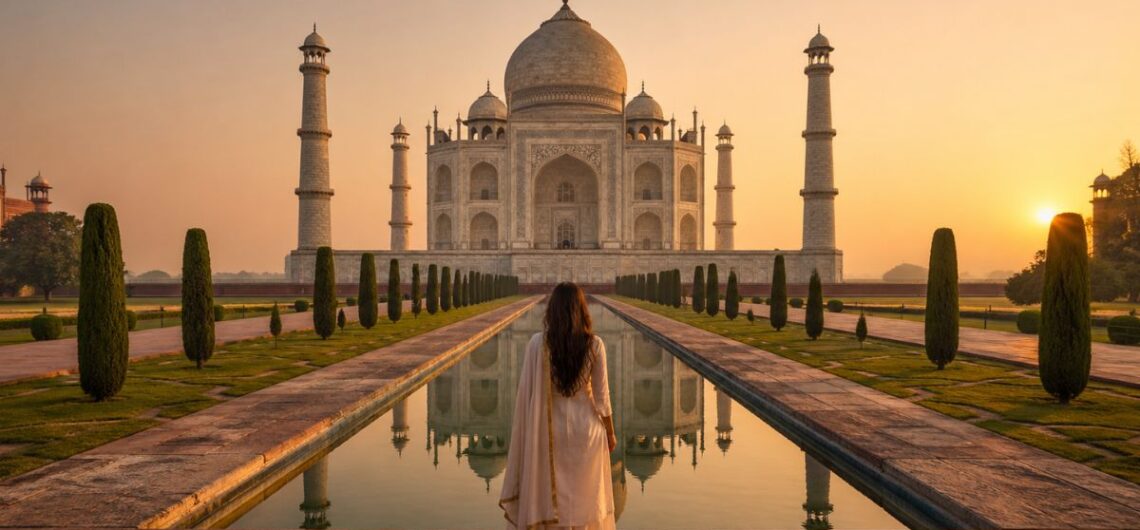
<p>Taj Mahal Tour by Train vs Car: Standing in front of the Taj Mahal is one of those rare, bucket-list moments that actually exceeds the hype. But before you get lost in the beauty of that white marble, you have an important decision to make—how to actually get there from Delhi.</p>
<!-- /wp:paragraph -->
<!-- wp:paragraph -->
<p>If you've been searching for "Taj Mahal Tour by Train vs Car," you're likely stuck in a loop of conflicting advice. Should you take the super-fast Gatimaan Express, or sink into the back seat of a private air-conditioned car? </p>
<!-- /wp:paragraph -->
<!-- wp:paragraph -->
<p>One promises speed and a "local" experience, while the other promises freedom and absolute comfort.</p>
<!-- /wp:paragraph -->
<!-- wp:paragraph -->
<p>Having organized hundreds of these exact trips, I’ve seen the relief on a traveler’s face when they make the right choice—and the exhaustion when they don’t.</p>
<!-- /wp:paragraph -->
<!-- wp:paragraph -->
<p>Let’s break down the real differences, beyond the basic travel times, so you can make the right call for your once-in-a-lifetime journey.</p>
<!-- /wp:paragraph -->
<!-- wp:heading -->
<h2 class="wp-block-heading"><strong>Taj Mahal Tour by Train vs Car – Quick Answer</strong></h2>
<!-- /wp:heading -->
<!-- wp:list -->
<ul class="wp-block-list"><!-- wp:list-item -->
<li>Train is fastest (≈ 1h 40m – 2h)</li>
<!-- /wp:list-item -->
<!-- wp:list-item -->
<li>Car is most comfortable and flexible</li>
<!-- /wp:list-item -->
<!-- wp:list-item -->
<li>Total trip time is similar (10–12 hours)</li>
<!-- /wp:list-item --></ul>
<!-- /wp:list -->
<!-- wp:heading -->
<h2 class="wp-block-heading"><strong>Train vs Car at a Glance</strong></h2>
<!-- /wp:heading -->
<!-- wp:paragraph -->
<p>If you're in a rush, here’s the bottom line based on your travel style:</p>
<!-- /wp:paragraph -->
<!-- wp:list -->
<ul class="wp-block-list"><!-- wp:list-item -->
<li>Choose the Express Train if: Your absolute priority is the fastest possible journey time, you’re traveling on a tighter budget, and you’re comfortable navigating some crowds.</li>
<!-- /wp:list-item -->
<!-- wp:list-item -->
<li>Choose a Private Car if: Your priority is door-to-door comfort, maximum flexibility to stop for photos or food, and a stress-free, personalized experience from start to finish.</li>
<!-- /wp:list-item --></ul>
<!-- /wp:list -->
<!-- wp:paragraph -->
<p>For most international travelers wanting a seamless experience, the private car wins by a significant margin. Here’s why.</p>
<!-- /wp:paragraph -->
<!-- wp:heading -->
<h2 class="wp-block-heading"><strong>Taj Mahal Tour by Train vs Car Comparison</strong></h2>
<!-- /wp:heading -->
<!-- wp:table -->
<figure class="wp-block-table"><table class="has-fixed-layout"><tbody><tr><td>Feature</td><td>Express Train (Gatimaan Express)</td><td>Private Car (Via Yamuna Expressway)</td></tr><tr><td>Travel Time (One Way)</td><td>Approx. 1 hour 40 minutes</td><td>Approx. 3 to 3.5 hours</td></tr><tr><td>Total Trip Duration</td><td>10–12 hours (door-to-door)</td><td>10–12 hours (door-to-door)</td></tr><tr><td>Comfort Level</td><td>Good, but rigid. You're confined to your seat.</td><td>Excellent and flexible. Your private space, full climate control.</td></tr><tr><td>Flexibility</td><td>Zero. The train doesn't wait. No photo stops.</td><td>Total. Stop for chai, a photo, or a break anytime.</td></tr><tr><td>Pickup & Drop-off</td><td>You must reach the noisy, busy train station yourself.</td><td>Door-to-door service from your Delhi hotel/airport.</td></tr><tr><td>Best For</td><td>Solo travelers on a strict budget; pure time-trippers.</td><td>Couples, families, first-time visitors, anyone who values comfort.</td></tr></tbody></table></figure>
<!-- /wp:table -->
<!-- wp:heading -->
<h2 class="wp-block-heading"><strong>The Express Train Experience: Fast, But is it Flawless?</strong></h2>
<!-- /wp:heading -->
<!-- wp:image {"id":1902,"sizeSlug":"large","linkDestination":"none"} -->
<figure class="wp-block-image size-large"><img src="https://www.tajwondertour.com/wp-content/uploads/2026/04/2-1024x597.jpg" alt="Taj Mahal Tour by Train vs Car: Which is the Best Way to Visit in 2026?
" class="wp-image-1902"/></figure>
<!-- /wp:image -->
<!-- wp:paragraph -->
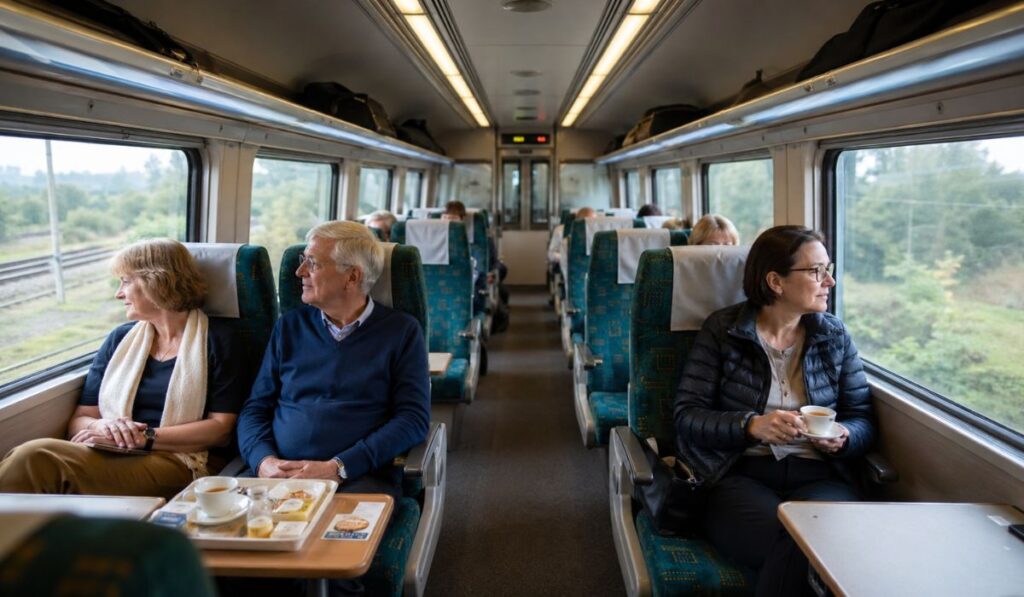
<p>The lure of the Gatimaan Express is undeniable. "Reach Agra in just 100 minutes" sounds like a magic trick, and on paper, it is. This is India's fastest train, hitting speeds of 160 km/h.</p>
<!-- /wp:paragraph -->
<!-- wp:paragraph -->
<p>After arriving in Agra, you’ll begin your guided visit to the Taj Mahal. If it’s your first time, here’s a complete <a href="https://www.tajwondertour.com/taj-mahal-visiting-hours/"><strong>Taj Mahal visiting guide</strong></a> to understand entry rules, timing, and what to expect.</p>
<!-- /wp:paragraph -->
<!-- wp:heading {"level":3} -->
<h3 class="wp-block-heading">A realistic timeline looks like this:</h3>
<!-- /wp:heading -->
<!-- wp:list -->
<ul class="wp-block-list"><!-- wp:list-item -->
<li>06:00 AM: You need to leave your hotel for Delhi's Hazrat Nizamuddin station. The morning traffic can be unpredictable, so early starts are mandatory.</li>
<!-- /wp:list-item -->
<!-- wp:list-item -->
<li>08:10 AM: Train departs. The train is comfortable and breakfast is served on board. This is a genuinely pleasant part of the trip.</li>
<!-- /wp:list-item -->
<!-- wp:list-item -->
<li>09:50 AM: Arrive at Agra Cantt station. This is where the glossy experience meets the ground reality. You'll need to navigate the crowd, fend off persistent touts, and find your pre-booked guide and driver amongst a sea of people offering services.</li>
<!-- /wp:list-item -->
<!-- wp:list-item -->
<li>10:30 AM – 02:30 PM: You tour the Taj Mahal and Agra Fort. Your time is governed by the driver’s schedule, often rushed to see additional "recommended" spots.</li>
<!-- /wp:list-item -->
<!-- wp:list-item -->
<li>05:50 PM: You're back at the station for the return train, completely exhausted, navigating the crowd again.</li>
<!-- /wp:list-item --></ul>
<!-- /wp:list -->
<!-- wp:paragraph -->
<p>What Most Blogs Won’t Tell You About the Train:</p>
<!-- /wp:paragraph -->
<!-- wp:paragraph -->
<p>The train itself is a joy. The transitions are not. The stress of finding your platform, managing luggage while boarding, and the chaotic scramble at Agra's station can be overwhelming.</p>
<!-- /wp:paragraph -->
<!-- wp:paragraph -->
<p>The air-conditioned coach becomes a distant memory when you step out into the chaos. You haven't saved total trip time, you’ve just redistributed the stress.</p>
<!-- /wp:paragraph -->
<!-- wp:list -->
<ul class="wp-block-list"><!-- wp:list-item -->
<li>Pros: Fast moving time, a taste of India’s modern rail system, cost-effective base ticket.</li>
<!-- /wp:list-item -->
<!-- wp:list-item -->
<li>Cons: Rigid schedule, station chaos, no door-to-door service, zero flexibility.</li>
<!-- /wp:list-item --></ul>
<!-- /wp:list -->
<!-- wp:paragraph -->
<p>Thinking the train’s speed is worth it? Check out our seamless <a href="https://www.tajwondertour.com/tours/taj-mahal-tour-from-delhi-by-express-train/">Same Day Taj Mahal Tour from Delhi by Express Train</a> where we handle all the logistics, station transfers, and guides so you skip the chaos.</p>
<!-- /wp:paragraph -->
<!-- wp:heading -->
<h2 class="wp-block-heading"><strong>The Private Car Experience: The Art of the Journey</strong></h2>
<!-- /wp:heading -->
<!-- wp:image {"id":1903,"sizeSlug":"large","linkDestination":"none"} -->
<figure class="wp-block-image size-large"><img src="https://www.tajwondertour.com/wp-content/uploads/2026/04/3-1024x597.jpg" alt="Taj Mahal Tour by Train vs Car: Which is the Best Way to Visit in 2026?
" class="wp-image-1903"/></figure>
<!-- /wp:image -->
<!-- wp:paragraph -->
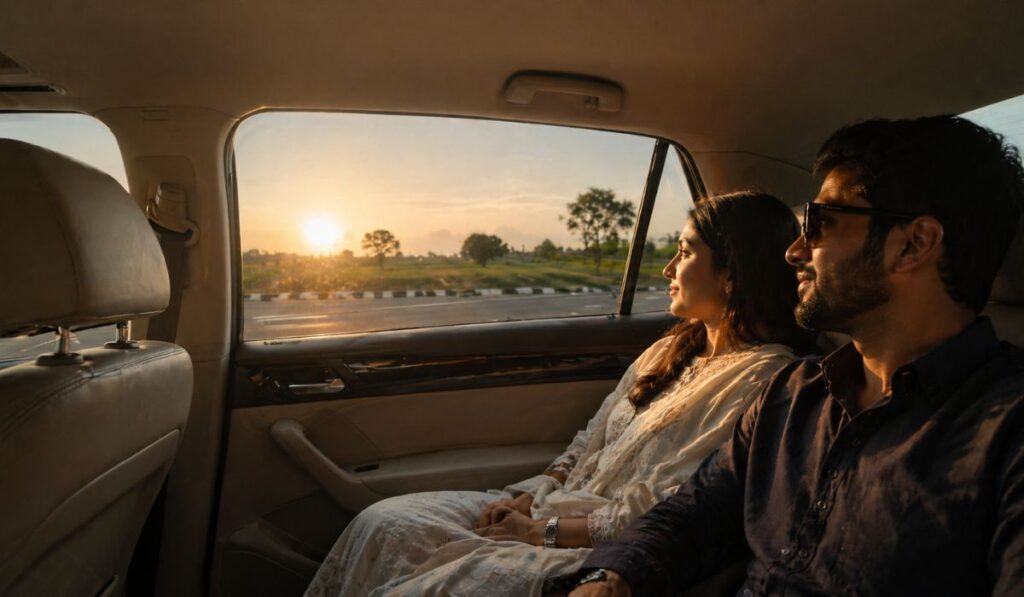
<p>Forget the rigid timetable. A private car tour flips the script, making the journey a part of your adventure, not a logistical hurdle to overcome. </p>
<!-- /wp:paragraph -->
<!-- wp:paragraph -->
<p>You’re picked up from your Delhi doorstep, let’s say at a civilised 6:30 AM, and you sink into your own space.</p>
<!-- /wp:paragraph -->
<!-- wp:heading {"level":3} -->
<h3 class="wp-block-heading">A relaxed timeline unfolds like this:</h3>
<!-- /wp:heading -->
<!-- wp:list -->
<ul class="wp-block-list"><!-- wp:list-item -->
<li>06:30 AM: Your driver arrives at your hotel. You load your bags once and forget about them.</li>
<!-- /wp:list-item -->
<!-- wp:list-item -->
<li>06:45 AM – 10:00 AM: You cruise on the world-class Yamuna Expressway, one of India's finest highways. The drive is smooth and visually fascinating. You watch Delhi's urban sprawl melt into the rustic countryside—mustard fields, small villages, and a changing landscape that’s a movie in itself.</li>
<!-- /wp:list-item -->
<!-- wp:list-item -->
<li>09:00 AM: "Driver, can we stop for a real Indian chai?" You take a 20-minute break at a clean, modern roadside restaurant like those run by Haldiram’s. No stress, no missed trains.</li>
<!-- /wp:list-item -->
<!-- wp:list-item -->
<li>10:00 AM: You arrive at the Taj Mahal parking lot, fresher and unflustered. Your guide meets you, and you walk to the monument without the post-station cortisol spike.</li>
<!-- /wp:list-item -->
<!-- wp:list-item -->
<li>02:00 PM: After a leisurely lunch at a nice restaurant (not a rushed canteen), you get back in your car, recline the seat, and process the beauty you’ve just witnessed. You can sleep, edit photos, or just gaze out the window. If you see a great photo op of rural life on the way back, your driver can slow down.</li>
<!-- /wp:list-item --></ul>
<!-- /wp:list -->
<!-- wp:paragraph -->
<p>What Most Blogs Won’t Tell You About the Car:</p>
<!-- /wp:paragraph -->
<!-- wp:paragraph -->
<p>It’s the unexpected moments that make the car invaluable. The chai break where a local insists you try their shop’s samosa. </p>
<!-- /wp:paragraph -->
<!-- wp:paragraph -->
<p>The photo stop when the morning light hits a mustard field perfectly. The ability to deviate to a clean washroom whenever you need. This is control, and control is the ultimate luxury in travel.</p>
<!-- /wp:paragraph -->
<!-- wp:list -->
<ul class="wp-block-list"><!-- wp:list-item -->
<li>Pros: Ultimate comfort and flexibility, door-to-door service, personalized pace, less physically fatiguing.</li>
<!-- /wp:list-item -->
<!-- wp:list-item -->
<li>Cons: Longer time physically in the vehicle, higher cost.</li>
<!-- /wp:list-item --></ul>
<!-- /wp:list -->
<!-- wp:paragraph -->
<p>Want the ultimate, stress-free experience? See why our most popular option is the <a href="https://www.tajwondertour.com/tours/taj-mahal-day-tour-from-delhi-by-car/">Taj Mahal Day Tour from Delhi by Car</a> . It’s a chauffeured experience designed entirely around you.</p>
<!-- /wp:paragraph -->
<!-- wp:heading -->
<h2 class="wp-block-heading"><strong>A Real Talk on Cost (Value vs. Price)</strong></h2>
<!-- /wp:heading -->
<!-- wp:paragraph -->
<p>Let’s be frank about the costs in Indian Rupees. A basic train ticket on the Gatimaan Express costs around ₹1,500–₹1,800 for a standard chair car seat. </p>
<!-- /wp:paragraph -->
<!-- wp:paragraph -->
<p>When you add a dedicated taxi for the day in Agra, a good guide, and entry fees, a cheaply assembled train tour might total ₹6,000–₹8,000 per person.</p>
<!-- /wp:paragraph -->
<!-- wp:paragraph -->
<p>A fully organized private car tour from a reputable company, including highway tolls (which are steep), taxes, a luxury car, a top-tier guide, monument fees, and a nice lunch, typically starts from ₹12,000 per person.</p>
<!-- /wp:paragraph -->
<!-- wp:paragraph -->
<p>You’re not just paying for a car. You’re paying for:</p>
<!-- /wp:paragraph -->
<!-- wp:list -->
<ul class="wp-block-list"><!-- wp:list-item -->
<li>A vetted, safe driver who won’t take you to commission shops.</li>
<!-- /wp:list-item -->
<!-- wp:list-item -->
<li>A historian-level guide, not just a script-reader.</li>
<!-- /wp:list-item -->
<!-- wp:list-item -->
<li>Zero hidden surprises.</li>
<!-- /wp:list-item -->
<!-- wp:list-item -->
<li>Peace of mind.</li>
<!-- /wp:list-item --></ul>
<!-- /wp:list -->
<!-- wp:paragraph -->
<p>With the train, the base is cheap, but the hidden costs—both financial and emotional—add up quickly.</p>
<!-- /wp:paragraph -->
<!-- wp:heading -->
<h2 class="wp-block-heading"><strong>What Most Blogs Won’t Tell You: The Unseen Factors</strong></h2>
<!-- /wp:heading -->
<!-- wp:paragraph -->
<p>This is the stuff first-time visitors often overlook.</p>
<!-- /wp:paragraph -->
<!-- wp:heading {"level":3} -->
<h3 class="wp-block-heading">1. The Fatigue Factor</h3>
<!-- /wp:heading -->
<!-- wp:paragraph -->
<p>The train trip, with its early starts, station battles, and forced marching pace, leaves you significantly more drained. </p>
<!-- /wp:paragraph -->
<!-- wp:paragraph -->
<p>You've seen the Taj, but you feel like you've survived it, not savored it. The car trip introduces a more manageable, rolling kind of fatigue—much easier to recover from.</p>
<!-- /wp:paragraph -->
<!-- wp:heading {"level":3} -->
<h3 class="wp-block-heading">2. Stress vs. Serenity</h3>
<!-- /wp:heading -->
<!-- wp:paragraph -->
<p>Your trip to the Taj Mahal should have a prelude of building excitement, not one of anxiety. The car offers a smooth, cinematic visual entry into Agra. </p>
<!-- /wp:paragraph -->
<!-- wp:paragraph -->
<p>The train delivers a jolt of reality the moment you exit the coach. If you're visiting India for the first time, the train station can be a baptism of fire that ruins your mood for the monument.</p>
<!-- /wp:paragraph -->
<!-- wp:heading {"level":3} -->
<h3 class="wp-block-heading">3. The "Lunch Test"</h3>
<!-- /wp:heading -->
<!-- wp:paragraph -->
<p>On a train schedule, you often get funneled into a generic, overpriced restaurant near the station or monument for a rushed meal. </p>
<!-- /wp:paragraph -->
<!-- wp:paragraph -->
<p>With a car, your guide can take you to a hidden gem or a quality restaurant you’d never find on your own, where you can sit for an hour, decompress, and reflect.</p>
<!-- /wp:paragraph -->
<!-- wp:heading -->
<h2 class="wp-block-heading"><strong>Your Fears, Addressed on Taj Mahal Tour by Train vs Car</strong></h2>
<!-- /wp:heading -->
<!-- wp:heading {"level":3} -->
<h3 class="wp-block-heading">"Isn't the train is the fastest way?"</h3>
<!-- /wp:heading -->
<!-- wp:paragraph -->
<p>On the track, yes. In a door-to-door, real-world scenario, the total time is identical (10-12 hours). </p>
<!-- /wp:paragraph -->
<!-- wp:paragraph -->
<p>The train saves you no meaningful time—it just breaks the journey into more stressful segments.</p>
<!-- /wp:paragraph -->
<!-- wp:heading {"level":3} -->
<h3 class="wp-block-heading">"Is a long car journey in India safe?"</h3>
<!-- /wp:heading -->
<!-- wp:paragraph -->
<p>On the Yamuna Expressway, absolutely. It’s a modern, divided, 6-lane controlled-access highway. </p>
<!-- /wp:paragraph -->
<!-- wp:paragraph -->
<p>When you book with a reputable company that employs trained, professional drivers (not just a random taxi), it’s incredibly safe.</p>
<!-- /wp:paragraph -->
<!-- wp:heading {"level":3} -->
<h3 class="wp-block-heading">"What about traffic jams or fog delays?"</h3>
<!-- /wp:heading -->
<!-- wp:paragraph -->
<p>Fog in winter (Dec–Jan) can delay trains by 4-6 hours. A train stuck in fog is a metal box you can't leave. </p>
<!-- /wp:paragraph -->
<!-- wp:paragraph -->
<p>A car in fog on the expressway can at least pull into a service station for a hot drink. Both are weather-dependent, but a car gives you agency.</p>
<!-- /wp:paragraph -->
<!-- wp:heading {"level":3} -->
<h3 class="wp-block-heading">"Which is truly less stressful?"</h3>
<!-- /wp:heading -->
<!-- wp:paragraph -->
<p>Hands down, the private car. You control the environment, the temperature, the music, and the stops. </p>
<!-- /wp:paragraph -->
<!-- wp:paragraph -->
<p>You never have to drag luggage over a footbridge. For anyone with mobility issues, anxiety, or simply high standards for their holiday, this is a no-brainer.</p>
<!-- /wp:paragraph -->
<!-- wp:heading -->
<h2 class="wp-block-heading"><strong>Who Should Choose What?</strong></h2>
<!-- /wp:heading -->
<!-- wp:image {"id":1904,"sizeSlug":"large","linkDestination":"none"} -->
<figure class="wp-block-image size-large"><img src="https://www.tajwondertour.com/wp-content/uploads/2026/04/4-1024x597.jpg" alt="Taj Mahal Tour by Train vs Car: Which is the Best Way to Visit in 2026?
" class="wp-image-1904"/></figure>
<!-- /wp:image -->
<!-- wp:paragraph -->
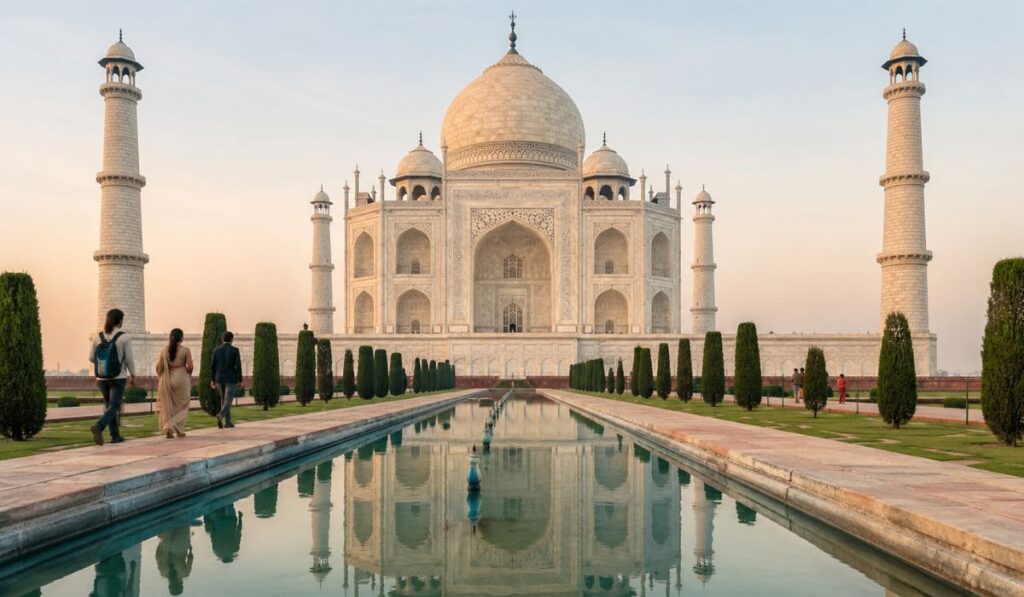
<p>This isn't about one being universally "better"—it's about which is better <em>for you</em>.</p>
<!-- /wp:paragraph -->
<!-- wp:heading {"level":3} -->
<h3 class="wp-block-heading">Choose the Express Train if:</h3>
<!-- /wp:heading -->
<!-- wp:list -->
<ul class="wp-block-list"><!-- wp:list-item -->
<li>You are a hardcore budget traveler who counts every dollar.</li>
<!-- /wp:list-item -->
<!-- wp:list-item -->
<li>You are a solo traveler who finds energy in navigating crowds.</li>
<!-- /wp:list-item -->
<!-- wp:list-item -->
<li>You have a specific fascination with Indian railways.</li>
<!-- /wp:list-item -->
<!-- wp:list-item -->
<li>You don’t mind a lack of personal space.</li>
<!-- /wp:list-item --></ul>
<!-- /wp:list -->
<!-- wp:heading {"level":3} -->
<h3 class="wp-block-heading">Choose the Private Car if:</h3>
<!-- /wp:heading -->
<!-- wp:list -->
<ul class="wp-block-list"><!-- wp:list-item -->
<li>You are traveling as a couple or with family (especially with kids or older parents).</li>
<!-- /wp:list-item -->
<!-- wp:list-item -->
<li>This is your first time in India and you value comfort and safety.</li>
<!-- /wp:list-item -->
<!-- wp:list-item -->
<li>You want to transform the travel day from a commute into an experience.</li>
<!-- /wp:list-item -->
<!-- wp:list-item -->
<li>You value privacy, flexibility, and a door-to-door service above strict speed on rails.</li>
<!-- /wp:list-item --></ul>
<!-- /wp:list -->
<!-- wp:heading -->
<h2 class="wp-block-heading"><strong>Expert Recommendation: A Strong Opinion</strong></h2>
<!-- /wp:heading -->
<!-- wp:paragraph -->
<p>After years of hearing feedback from travelers, here is my direct advice: Take the car.</p>
<!-- /wp:paragraph -->
<!-- wp:paragraph -->
<p>The train, while impressive technologically, is a compartmentalized comfort bubble between moments of high-intensity travel chaos. </p>
<!-- /wp:paragraph -->
<!-- wp:paragraph -->
<p>The Taj Mahal deserves your full, mindful presence. You can't give it that when you're still decompressing from the battle of Agra Cantt station.</p>
<!-- /wp:paragraph -->
<!-- wp:paragraph -->
<p>A private car wraps your entire day in a controlled, serene, and personalized bubble. You arrive at the Taj’s gates not frazzled, but full of anticipation. </p>
<!-- /wp:paragraph -->
<!-- wp:paragraph -->
<p>The journey becomes a delightful part of your travel story, filled with what you saw and discussed, not what you endured.</p>
<!-- /wp:paragraph -->
<!-- wp:paragraph -->
<p>For a journey that is supposed to be about love and beauty, choose the mode of transport that matches that sentiment: peaceful, beautiful, and effortless.</p>
<!-- /wp:paragraph -->
<!-- wp:heading -->
<h2 class="wp-block-heading"><strong>The Final Verdict for Taj Mahal Tour by Train vs Car</strong></h2>
<!-- /wp:heading -->
<!-- wp:paragraph -->
<p>Don't let a rigid timetable steal the magic from your once-in-a-lifetime trip. While the train might seem like a quick fix on paper, the door-to-door reality is a tie in total time, with the car offering a landslide victory in comfort, control, and peace of mind. The small premium you pay for a private vehicle returns an enormous dividend in the quality of your memory.</p>
<!-- /wp:paragraph -->
<!-- wp:heading {"level":3} -->
<h3 class="wp-block-heading"><strong>Explore Your Perfect Taj Mahal Experience</strong></h3>
<!-- /wp:heading -->
<!-- wp:paragraph -->
<p>Your choice of transport defines your experience. Whether you still feel the train’s speed is for you or you’re sold on the comfort of the car, we’ve perfected both experiences to ensure they are seamless, insightful, and unforgettable.</p>
<!-- /wp:paragraph -->
<!-- wp:list -->
<ul class="wp-block-list"><!-- wp:list-item -->
<li>Browse all our curated journeys on our main <a href="https://www.tajwondertour.com/tour-packages/taj-mahal/">Taj Mahal Tour Packages</a> page.</li>
<!-- /wp:list-item -->
<!-- wp:list-item -->
<li>See the details of our carefully managed train experience: <a href="https://www.tajwondertour.com/tours/taj-mahal-tour-from-delhi-by-express-train/">Same Day Taj Mahal Tour from Delhi by Express Train</a> .</li>
<!-- /wp:list-item -->
<!-- wp:list-item -->
<li>Discover our most popular and relaxing private journey: <a href="https://www.tajwondertour.com/tours/taj-mahal-day-tour-from-delhi-by-car/">Taj Mahal Day Tour from Delhi by Car</a> .</li>
<!-- /wp:list-item --></ul>
<!-- /wp:list -->
<!-- wp:heading -->
<h2 class="wp-block-heading"><strong>FAQs - Taj Mahal Tour by Train vs Car</strong></h2>
<!-- /wp:heading -->
<!-- wp:heading {"level":3} -->
<h3 class="wp-block-heading">1. Is the Taj Mahal tour by train really faster than a car?</h3>
<!-- /wp:heading -->
<!-- wp:paragraph -->
<p>The train's moving time is faster (1h 40m vs 3h+). However, the total trip time from your hotel in Delhi and back is exactly the same at 10-12 hours for both options, due to station transit and waiting times.</p>
<!-- /wp:paragraph -->
<!-- wp:heading {"level":3} -->
<h3 class="wp-block-heading">2. Which option is better for a family with children or elderly parents?</h3>
<!-- /wp:heading -->
<!-- wp:paragraph -->
<p>A private car is far superior. It offers door-to-door service, climate control, private space for naps, and the ability to take unlimited comfort breaks. Navigating a packed train station can be very difficult and stressful for vulnerable family members.</p>
<!-- /wp:paragraph -->
<!-- wp:heading {"level":3} -->
<h3 class="wp-block-heading">3. Are there clean toilet stops on the car route from Delhi to Agra?</h3>
<!-- /wp:heading -->
<!-- wp:paragraph -->
<p>Yes, absolutely. The Yamuna Expressway has several modern, well-maintained service plazas with hygienic, Western-style restrooms. Your driver can stop at these whenever requested.</p>
<!-- /wp:paragraph -->
<!-- wp:heading {"level":3} -->
<h3 class="wp-block-heading">4. Can I book a train tour that still handles all the transfers for me?</h3>
<!-- /wp:heading -->
<!-- wp:paragraph -->
<p>Yes. While you can't escape the train itself, a fully organized train tour like the one we link to includes a driver to drop you at the station in Delhi, and another dedicated private car and driver waiting just for you in Agra to seamlessly take you to the monument and back.</p>
<!-- /wp:paragraph -->
<!-- wp:heading {"level":3} -->
<h3 class="wp-block-heading">5. Is the Yamuna Expressway safe for a private car journey?</h3>
<!-- /wp:heading -->
<!-- wp:paragraph -->
<p>Very safe. It’s a modern, 6-lane, access-controlled toll road connecting Delhi and Agra. It is widely considered one of the safest and best highways in India, driven by professional chauffeurs daily.</p>
<!-- /wp:paragraph -->
<!-- wp:paragraph {"align":"right"} -->
<p class="has-text-align-right">Updated for 2026 travel conditions</p>
<!-- /wp:paragraph -->
Taj Mahal Tour by Train vs Car: Standing in front of the Taj Mahal is one of those rare, bucket-list moments that actually exceeds the hype. But before you get lost in the beauty of that white marble, you have an important decision to make—how to actually get there from Delhi.
If you’ve been searching for “Taj Mahal Tour by Train vs Car,” you’re likely stuck in a loop of conflicting advice. Should you take the super-fast Gatimaan Express, or sink into the back seat of a private air-conditioned car?
One promises speed and a “local” experience, while the other promises freedom and absolute comfort.
Having organized hundreds of these exact trips, I’ve seen the relief on a traveler’s face when they make the right choice—and the exhaustion when they don’t.
Let’s break down the real differences, beyond the basic travel times, so you can make the right call for your once-in-a-lifetime journey.
Taj Mahal Tour by Train vs Car – Quick Answer
Train is fastest (≈ 1h 40m – 2h)
Car is most comfortable and flexible
Total trip time is similar (10–12 hours)
Train vs Car at a Glance
If you’re in a rush, here’s the bottom line based on your travel style:
Choose the Express Train if: Your absolute priority is the fastest possible journey time, you’re traveling on a tighter budget, and you’re comfortable navigating some crowds.
Choose a Private Car if: Your priority is door-to-door comfort, maximum flexibility to stop for photos or food, and a stress-free, personalized experience from start to finish.
For most international travelers wanting a seamless experience, the private car wins by a significant margin. Here’s why.
Taj Mahal Tour by Train vs Car Comparison
Feature
Express Train (Gatimaan Express)
Private Car (Via Yamuna Expressway)
Travel Time (One Way)
Approx. 1 hour 40 minutes
Approx. 3 to 3.5 hours
Total Trip Duration
10–12 hours (door-to-door)
10–12 hours (door-to-door)
Comfort Level
Good, but rigid. You’re confined to your seat.
Excellent and flexible. Your private space, full climate control.
Flexibility
Zero. The train doesn’t wait. No photo stops.
Total. Stop for chai, a photo, or a break anytime.
Pickup & Drop-off
You must reach the noisy, busy train station yourself.
Door-to-door service from your Delhi hotel/airport.
Best For
Solo travelers on a strict budget; pure time-trippers.
Couples, families, first-time visitors, anyone who values comfort.
The Express Train Experience: Fast, But is it Flawless?
The lure of the Gatimaan Express is undeniable. “Reach Agra in just 100 minutes” sounds like a magic trick, and on paper, it is. This is India’s fastest train, hitting speeds of 160 km/h.
After arriving in Agra, you’ll begin your guided visit to the Taj Mahal. If it’s your first time, here’s a complete Taj Mahal visiting guide to understand entry rules, timing, and what to expect.
A realistic timeline looks like this:
06:00 AM: You need to leave your hotel for Delhi’s Hazrat Nizamuddin station. The morning traffic can be unpredictable, so early starts are mandatory.
08:10 AM: Train departs. The train is comfortable and breakfast is served on board. This is a genuinely pleasant part of the trip.
09:50 AM: Arrive at Agra Cantt station. This is where the glossy experience meets the ground reality. You’ll need to navigate the crowd, fend off persistent touts, and find your pre-booked guide and driver amongst a sea of people offering services.
10:30 AM – 02:30 PM: You tour the Taj Mahal and Agra Fort. Your time is governed by the driver’s schedule, often rushed to see additional “recommended” spots.
05:50 PM: You’re back at the station for the return train, completely exhausted, navigating the crowd again.
What Most Blogs Won’t Tell You About the Train:
The train itself is a joy. The transitions are not. The stress of finding your platform, managing luggage while boarding, and the chaotic scramble at Agra’s station can be overwhelming.
The air-conditioned coach becomes a distant memory when you step out into the chaos. You haven’t saved total trip time, you’ve just redistributed the stress.
Pros: Fast moving time, a taste of India’s modern rail system, cost-effective base ticket.
Cons: Rigid schedule, station chaos, no door-to-door service, zero flexibility.
The Private Car Experience: The Art of the Journey
Forget the rigid timetable. A private car tour flips the script, making the journey a part of your adventure, not a logistical hurdle to overcome.
You’re picked up from your Delhi doorstep, let’s say at a civilised 6:30 AM, and you sink into your own space.
A relaxed timeline unfolds like this:
06:30 AM: Your driver arrives at your hotel. You load your bags once and forget about them.
06:45 AM – 10:00 AM: You cruise on the world-class Yamuna Expressway, one of India’s finest highways. The drive is smooth and visually fascinating. You watch Delhi’s urban sprawl melt into the rustic countryside—mustard fields, small villages, and a changing landscape that’s a movie in itself.
09:00 AM: “Driver, can we stop for a real Indian chai?” You take a 20-minute break at a clean, modern roadside restaurant like those run by Haldiram’s. No stress, no missed trains.
10:00 AM: You arrive at the Taj Mahal parking lot, fresher and unflustered. Your guide meets you, and you walk to the monument without the post-station cortisol spike.
02:00 PM: After a leisurely lunch at a nice restaurant (not a rushed canteen), you get back in your car, recline the seat, and process the beauty you’ve just witnessed. You can sleep, edit photos, or just gaze out the window. If you see a great photo op of rural life on the way back, your driver can slow down.
What Most Blogs Won’t Tell You About the Car:
It’s the unexpected moments that make the car invaluable. The chai break where a local insists you try their shop’s samosa.
The photo stop when the morning light hits a mustard field perfectly. The ability to deviate to a clean washroom whenever you need. This is control, and control is the ultimate luxury in travel.
Pros: Ultimate comfort and flexibility, door-to-door service, personalized pace, less physically fatiguing.
Cons: Longer time physically in the vehicle, higher cost.
Want the ultimate, stress-free experience? See why our most popular option is the Taj Mahal Day Tour from Delhi by Car . It’s a chauffeured experience designed entirely around you.
A Real Talk on Cost (Value vs. Price)
Let’s be frank about the costs in Indian Rupees. A basic train ticket on the Gatimaan Express costs around ₹1,500–₹1,800 for a standard chair car seat.
When you add a dedicated taxi for the day in Agra, a good guide, and entry fees, a cheaply assembled train tour might total ₹6,000–₹8,000 per person.
A fully organized private car tour from a reputable company, including highway tolls (which are steep), taxes, a luxury car, a top-tier guide, monument fees, and a nice lunch, typically starts from ₹12,000 per person.
You’re not just paying for a car. You’re paying for:
A vetted, safe driver who won’t take you to commission shops.
A historian-level guide, not just a script-reader.
Zero hidden surprises.
Peace of mind.
With the train, the base is cheap, but the hidden costs—both financial and emotional—add up quickly.
What Most Blogs Won’t Tell You: The Unseen Factors
This is the stuff first-time visitors often overlook.
1. The Fatigue Factor
The train trip, with its early starts, station battles, and forced marching pace, leaves you significantly more drained.
You’ve seen the Taj, but you feel like you’ve survived it, not savored it. The car trip introduces a more manageable, rolling kind of fatigue—much easier to recover from.
2. Stress vs. Serenity
Your trip to the Taj Mahal should have a prelude of building excitement, not one of anxiety. The car offers a smooth, cinematic visual entry into Agra.
The train delivers a jolt of reality the moment you exit the coach. If you’re visiting India for the first time, the train station can be a baptism of fire that ruins your mood for the monument.
3. The “Lunch Test”
On a train schedule, you often get funneled into a generic, overpriced restaurant near the station or monument for a rushed meal.
With a car, your guide can take you to a hidden gem or a quality restaurant you’d never find on your own, where you can sit for an hour, decompress, and reflect.
Your Fears, Addressed on Taj Mahal Tour by Train vs Car
“Isn’t the train is the fastest way?”
On the track, yes. In a door-to-door, real-world scenario, the total time is identical (10-12 hours).
The train saves you no meaningful time—it just breaks the journey into more stressful segments.
“Is a long car journey in India safe?”
On the Yamuna Expressway, absolutely. It’s a modern, divided, 6-lane controlled-access highway.
When you book with a reputable company that employs trained, professional drivers (not just a random taxi), it’s incredibly safe.
“What about traffic jams or fog delays?”
Fog in winter (Dec–Jan) can delay trains by 4-6 hours. A train stuck in fog is a metal box you can’t leave.
A car in fog on the expressway can at least pull into a service station for a hot drink. Both are weather-dependent, but a car gives you agency.
“Which is truly less stressful?”
Hands down, the private car. You control the environment, the temperature, the music, and the stops.
You never have to drag luggage over a footbridge. For anyone with mobility issues, anxiety, or simply high standards for their holiday, this is a no-brainer.
Who Should Choose What?
This isn’t about one being universally “better”—it’s about which is better for you.
Choose the Express Train if:
You are a hardcore budget traveler who counts every dollar.
You are a solo traveler who finds energy in navigating crowds.
You have a specific fascination with Indian railways.
You don’t mind a lack of personal space.
Choose the Private Car if:
You are traveling as a couple or with family (especially with kids or older parents).
This is your first time in India and you value comfort and safety.
You want to transform the travel day from a commute into an experience.
You value privacy, flexibility, and a door-to-door service above strict speed on rails.
Expert Recommendation: A Strong Opinion
After years of hearing feedback from travelers, here is my direct advice: Take the car.
The train, while impressive technologically, is a compartmentalized comfort bubble between moments of high-intensity travel chaos.
The Taj Mahal deserves your full, mindful presence. You can’t give it that when you’re still decompressing from the battle of Agra Cantt station.
A private car wraps your entire day in a controlled, serene, and personalized bubble. You arrive at the Taj’s gates not frazzled, but full of anticipation.
The journey becomes a delightful part of your travel story, filled with what you saw and discussed, not what you endured.
For a journey that is supposed to be about love and beauty, choose the mode of transport that matches that sentiment: peaceful, beautiful, and effortless.
The Final Verdict for Taj Mahal Tour by Train vs Car
Don’t let a rigid timetable steal the magic from your once-in-a-lifetime trip. While the train might seem like a quick fix on paper, the door-to-door reality is a tie in total time, with the car offering a landslide victory in comfort, control, and peace of mind. The small premium you pay for a private vehicle returns an enormous dividend in the quality of your memory.
Explore Your Perfect Taj Mahal Experience
Your choice of transport defines your experience. Whether you still feel the train’s speed is for you or you’re sold on the comfort of the car, we’ve perfected both experiences to ensure they are seamless, insightful, and unforgettable.
1. Is the Taj Mahal tour by train really faster than a car?
The train’s moving time is faster (1h 40m vs 3h+). However, the total trip time from your hotel in Delhi and back is exactly the same at 10-12 hours for both options, due to station transit and waiting times.
2. Which option is better for a family with children or elderly parents?
A private car is far superior. It offers door-to-door service, climate control, private space for naps, and the ability to take unlimited comfort breaks. Navigating a packed train station can be very difficult and stressful for vulnerable family members.
3. Are there clean toilet stops on the car route from Delhi to Agra?
Yes, absolutely. The Yamuna Expressway has several modern, well-maintained service plazas with hygienic, Western-style restrooms. Your driver can stop at these whenever requested.
4. Can I book a train tour that still handles all the transfers for me?
Yes. While you can’t escape the train itself, a fully organized train tour like the one we link to includes a driver to drop you at the station in Delhi, and another dedicated private car and driver waiting just for you in Agra to seamlessly take you to the monument and back.
5. Is the Yamuna Expressway safe for a private car journey?
Very safe. It’s a modern, 6-lane, access-controlled toll road connecting Delhi and Agra. It is widely considered one of the safest and best highways in India, driven by professional chauffeurs daily.
<!-- wp:paragraph -->
<p>Most travelers reach the Taj Mahal at the wrong time — and completely ruin their experience.</p>
<!-- /wp:paragraph -->
<!-- wp:paragraph -->
<p>Many travelers make a common mistake — they don’t check the Taj Mahal visiting hours properly. This leads to long queues, harsh heat, or even missing the best time to experience the monument.</p>
<!-- /wp:paragraph -->
<!-- wp:paragraph -->
<p>In this complete guide, you’ll learn:</p>
<!-- /wp:paragraph -->
<!-- wp:list -->
<ul class="wp-block-list"><!-- wp:list-item -->
<li>Taj Mahal opening time</li>
<!-- /wp:list-item -->
<!-- wp:list-item -->
<li>Taj Mahal closing time</li>
<!-- /wp:list-item -->
<!-- wp:list-item -->
<li>Best time to visit Taj Mahal</li>
<!-- /wp:list-item -->
<!-- wp:list-item -->
<li>Night viewing timing</li>
<!-- /wp:list-item -->
<!-- wp:list-item -->
<li>Tips to avoid crowds</li>
<!-- /wp:list-item --></ul>
<!-- /wp:list -->
<!-- wp:heading -->
<h2 class="wp-block-heading"><strong>Taj Mahal Visiting hours</strong></h2>
<!-- /wp:heading -->
<!-- wp:paragraph -->
<p>Taj Mahal visiting hoursare from sunrise to sunset (30 minutes before sunrise to 30 minutes before sunset). The monument is closed every Friday.</p>
<!-- /wp:paragraph -->
<!-- wp:paragraph -->
<p>The Taj Mahal opening and closing time changes daily depending on sunrise and sunset.</p>
<!-- /wp:paragraph -->
<!-- wp:paragraph -->
<p> If you are planning your visit based on these timings, choosing well-organized <mark style="background-color:rgba(0, 0, 0, 0)" class="has-inline-color has-vivid-cyan-blue-color"><a href="https://www.tajwondertour.com/tour-packages/taj-mahal/">Taj Mahal Tour Packages</a> </mark>can help you reach exactly at the right time and avoid last-minute confusion.</p>
<!-- /wp:paragraph -->
<!-- wp:heading -->
<h2 class="wp-block-heading"><strong>Taj Mahal Opening Time (Seasonal Timing Explained)</strong></h2>
<!-- /wp:heading -->
<!-- wp:paragraph -->
<p>The Taj Mahal opening time varies slightly throughout the year:</p>
<!-- /wp:paragraph -->
<!-- wp:list -->
<ul class="wp-block-list"><!-- wp:list-item -->
<li>Summer (April–September): 5:30 AM – 6:00 AM</li>
<!-- /wp:list-item -->
<!-- wp:list-item -->
<li>Winter (October–March): 6:30 AM – 7:00 AM</li>
<!-- /wp:list-item --></ul>
<!-- /wp:list -->
<!-- wp:paragraph -->
<p>Why the variation? Because the Taj Mahal’s schedule is tied to the sun. In summer, the sun rises earlier, so the gates open earlier. In winter, sunrise is later, so opening is delayed.</p>
<!-- /wp:paragraph -->
<!-- wp:paragraph -->
<p>Pro tip: Even if the official opening time is 6:00 AM, the ticket counters often start selling 30–45 minutes before that. Arrive early to be among the first inside.</p>
<!-- /wp:paragraph -->
<!-- wp:heading -->
<h2 class="wp-block-heading"><strong>Why Sunrise is the Best Time to Visit Taj Mahal</strong></h2>
<!-- /wp:heading -->
<!-- wp:image {"id":1894,"sizeSlug":"large","linkDestination":"none"} -->
<figure class="wp-block-image size-large"><img src="https://www.tajwondertour.com/wp-content/uploads/2024/09/Untitled-design-2026-04-20T123857.946-1024x597.jpg" alt="taj mahal sunrise reflection best time to visit taj mahal photography" class="wp-image-1894"/></figure>
<!-- /wp:image -->
<!-- wp:paragraph -->
<p>If you are serious about your experience, sunrise is unbeatable:</p>
<!-- /wp:paragraph -->
<!-- wp:list -->
<ul class="wp-block-list"><!-- wp:list-item -->
<li>Peaceful environment</li>
<!-- /wp:list-item -->
<!-- wp:list-item -->
<li>Fewer tourists</li>
<!-- /wp:list-item -->
<!-- wp:list-item -->
<li>Perfect golden lighting for photography</li>
<!-- /wp:list-item -->
<!-- wp:list-item -->
<li>Comfortable temperature</li>
<!-- /wp:list-item --></ul>
<!-- /wp:list -->
<!-- wp:paragraph -->
<p>This is why most travelers prefer a <a href="https://www.tajwondertour.com/tours/sunrise-taj-mahal-tour-from-delhi/"><mark style="background-color:rgba(0, 0, 0, 0)" class="has-inline-color has-vivid-cyan-blue-color">Sunrise Taj Mahal Tour from Delhi</mark></a></p>
<!-- /wp:paragraph -->
<!-- wp:paragraph -->
<p>At sunrise, the white marble turns into shades of pink and gold. The reflection in the long fountain pool is crystal clear because there’s no wind yet. And the best part? You can take that iconic “Princess Diana” bench photo without 200 people in the background.</p>
<!-- /wp:paragraph -->
<!-- wp:heading -->
<h2 class="wp-block-heading"><strong>Taj Mahal Closing Time (Important Entry Rules)</strong></h2>
<!-- /wp:heading -->
<!-- wp:paragraph -->
<p>The Taj Mahal closing time is usually:</p>
<!-- /wp:paragraph -->
<!-- wp:paragraph -->
<p>Around 6:00 PM to 7:00 PM (depending on sunset)</p>
<!-- /wp:paragraph -->
<!-- wp:paragraph -->
<p>But here’s what most visitors don’t realize:</p>
<!-- /wp:paragraph -->
<!-- wp:list -->
<ul class="wp-block-list"><!-- wp:list-item -->
<li>Entry closes 30 minutes before sunset – if sunset is at 6:30 PM, last entry is at 6:00 PM sharp.</li>
<!-- /wp:list-item -->
<!-- wp:list-item -->
<li>Visitors are cleared out before closing – you cannot linger inside after sunset.</li>
<!-- /wp:list-item -->
<!-- wp:list-item -->
<li>Late arrival = no entry – even if you’re 5 minutes late, security will turn you away.</li>
<!-- /wp:list-item --></ul>
<!-- /wp:list -->
<!-- wp:paragraph -->
<p>So if you arrive at 5:50 PM thinking you’ll “quickly see it,” you won’t get in. Plan your afternoon accordingly.</p>
<!-- /wp:paragraph -->
<!-- wp:heading -->
<h2 class="wp-block-heading"><strong>Taj Mahal Night Visiting hours</strong></h2>
<!-- /wp:heading -->
<!-- wp:paragraph -->
<p>The Taj Mahal also offers night viewing — a rare and magical experience.</p>
<!-- /wp:paragraph -->
<!-- wp:list -->
<ul class="wp-block-list"><!-- wp:list-item -->
<li>Open 5 days a month (Full Moon ± 2 days)</li>
<!-- /wp:list-item -->
<!-- wp:list-item -->
<li>Timing: 8:30 PM to 12:30 AM (five 30-minute slots)</li>
<!-- /wp:list-item -->
<!-- wp:list-item -->
<li>Limited tickets (must book in advance at the ASI office)</li>
<!-- /wp:list-item --></ul>
<!-- /wp:list -->
<!-- wp:paragraph -->
<p>This is known as one of the most unique ways to experience the monument.</p>
<!-- /wp:paragraph -->
<!-- wp:paragraph -->
<p>Under moonlight, the marble seems to float in the darkness. It’s an entirely different emotion — quiet, mystical, unforgettable. However, tickets sell out quickly. You need to book at least one day in advance at the Archaeological Survey of India (ASI) office in Agra.</p>
<!-- /wp:paragraph -->
<!-- wp:heading -->
<h2 class="wp-block-heading"><strong>Best Time vs Worst Time to Visit Taj Mahal</strong></h2>
<!-- /wp:heading -->
<!-- wp:image {"id":1892,"sizeSlug":"large","linkDestination":"none"} -->
<figure class="wp-block-image size-large"><img src="https://www.tajwondertour.com/wp-content/uploads/2024/09/Untitled-design-2026-04-20T123910.502-1024x597.jpg" alt="taj mahal crowd afternoon peak visiting hours heat long queue" class="wp-image-1892"/></figure>
<!-- /wp:image -->
<!-- wp:paragraph -->
<p>:</p>
<!-- /wp:paragraph -->
<!-- wp:table -->
<figure class="wp-block-table"><table class="has-fixed-layout"><tbody><tr><td><strong>Time</strong></td><td><strong>Experience</strong></td></tr><tr><td>Sunrise</td><td>Peaceful, best photos</td></tr><tr><td>Midday</td><td>Crowded, hot</td></tr><tr><td>Evening</td><td>Better than midday</td></tr></tbody></table></figure>
<!-- /wp:table -->
<!-- wp:heading -->
<h2 class="wp-block-heading"><strong>Taj Mahal Closed Day</strong></h2>
<!-- /wp:heading -->
<!-- wp:list -->
<ul class="wp-block-list"><!-- wp:list-item -->
<li>The Taj Mahal is closed every Friday</li>
<!-- /wp:list-item -->
<!-- wp:list-item -->
<li>Only mosque access is allowed for prayers (not for tourists)</li>
<!-- /wp:list-item --></ul>
<!-- /wp:list -->
<!-- wp:paragraph -->
<p>Always check your itinerary before planning your visit. If your only free day in Agra is a Friday, you will miss the Taj Mahal completely. Use that day instead for Agra Fort, Mehtab Bagh, or Fatehpur Sikri.</p>
<!-- /wp:paragraph -->
<!-- wp:heading -->
<h2 class="wp-block-heading"><strong>Best Time to Visit Taj Mahal </strong></h2>
<!-- /wp:heading -->
<!-- wp:paragraph -->
<p>Understanding Taj Mahal visiting Times is not enough — timing strategy matters.</p>
<!-- /wp:paragraph -->
<!-- wp:paragraph -->
<p>Best Time:<br>Sunrise (ideal for photography & peace)</p>
<!-- /wp:paragraph -->
<!-- wp:paragraph -->
<p>Avoid:<br>10 AM – 3 PM (crowded + hot)</p>
<!-- /wp:paragraph -->
<!-- wp:paragraph -->
<p>Best Months:<br>October to March (pleasant weather)</p>
<!-- /wp:paragraph -->
<!-- wp:paragraph -->
<p>During peak summer (May–June), temperatures can hit 45°C (113°F). Even if you enter at sunrise, by 9 AM it’s already uncomfortable. So if you must travel in summer, go during the first 2 hours of opening, then leave.</p>
<!-- /wp:paragraph -->
<!-- wp:paragraph -->
<p>In winter (December–January), mornings are foggy. Sometimes the Taj Mahal is barely visible until 9–10 AM. But once the fog clears, the weather is perfect for a long, relaxed visit.</p>
<!-- /wp:paragraph -->
<!-- wp:heading -->
<h2 class="wp-block-heading"><strong>How to Plan Your Visit Smartly</strong></h2>
<!-- /wp:heading -->
<!-- wp:paragraph -->
<p>Many travelers underestimate travel planning:</p>
<!-- /wp:paragraph -->
<!-- wp:list -->
<ul class="wp-block-list"><!-- wp:list-item -->
<li>Delhi to Agra travel time (3–4 hours one way)</li>
<!-- /wp:list-item -->
<!-- wp:list-item -->
<li>Traffic delays (especially near Yamuna Expressway)</li>
<!-- /wp:list-item -->
<!-- wp:list-item -->
<li>Entry timing mismatch (arriving after 10 AM)</li>
<!-- /wp:list-item --></ul>
<!-- /wp:list -->
<!-- wp:paragraph -->
<p>To avoid this, consider: <a href="https://www.tajwondertour.com/tours/taj-mahal-tour-from-delhi-by-premium-car/"><mark style="background-color:rgba(0, 0, 0, 0)" class="has-inline-color has-vivid-cyan-blue-color">Taj Mahal Tour from Delhi by Premium Car</mark></a></p>
<!-- /wp:paragraph -->
<!-- wp:paragraph -->
<p>A well-planned tour ensures you reach exactly at sunrise, skip long ticket lines, and get a knowledgeable guide. Many solo travelers and families prefer this hassle-free option.</p>
<!-- /wp:paragraph -->
<!-- wp:heading -->
<h2 class="wp-block-heading"><strong>Quick Overview Table</strong></h2>
<!-- /wp:heading -->
<!-- wp:table -->
<figure class="wp-block-table"><table class="has-fixed-layout"><tbody><tr><td>Detail</td><td>Timing</td></tr><tr><td>Opening Time</td><td>30 mins before sunrise</td></tr><tr><td>Closing Time</td><td>30 mins before sunset</td></tr><tr><td>Closed Day</td><td>Friday</td></tr><tr><td>Best Time</td><td>Sunrise</td></tr><tr><td>Night Visit</td><td>Full moon nights</td></tr></tbody></table></figure>
<!-- /wp:table -->
<!-- wp:separator -->
<hr class="wp-block-separator has-alpha-channel-opacity"/>
<!-- /wp:separator -->
<!-- wp:heading -->
<h2 class="wp-block-heading"><strong>FAQs</strong></h2>
<!-- /wp:heading -->
<!-- wp:heading {"level":3} -->
<h3 class="wp-block-heading"><strong>What are Taj Mahal visiting Times today?</strong></h3>
<!-- /wp:heading -->
<!-- wp:paragraph -->
<p>The Taj Mahal is open from sunrise to sunset, with entry starting 30 minutes before sunrise.</p>
<!-- /wp:paragraph -->
<!-- wp:heading {"level":3} -->
<h3 class="wp-block-heading"><strong>What is Taj Mahal opening time in winter?</strong></h3>
<!-- /wp:heading -->
<!-- wp:paragraph -->
<p>The opening time in winter is usually around 6:30 AM to 7:00 AM.</p>
<!-- /wp:paragraph -->
<!-- wp:heading {"level":3} -->
<h3 class="wp-block-heading"><strong>What is Taj Mahal closing time in summer?</strong></h3>
<!-- /wp:heading -->
<!-- wp:paragraph -->
<p>The closing time is usually around 6:30 PM to 7:00 PM depending on sunset.</p>
<!-- /wp:paragraph -->
<!-- wp:heading {"level":3} -->
<h3 class="wp-block-heading"><strong>Is Taj Mahal open on Sunday?</strong></h3>
<!-- /wp:heading -->
<!-- wp:paragraph -->
<p>Yes, the Taj Mahal is open on Sunday.</p>
<!-- /wp:paragraph -->
<!-- wp:heading {"level":3} -->
<h3 class="wp-block-heading"><strong>Can I visit Taj Mahal at night?</strong></h3>
<!-- /wp:heading -->
<!-- wp:paragraph -->
<p>Yes, but only during full moon nights with limited tickets.</p>
<!-- /wp:paragraph -->
<!-- wp:heading {"level":3} -->
<h3 class="wp-block-heading"><strong>How much is the entry fee for Taj Mahal in 2026?</strong></h3>
<!-- /wp:heading -->
<!-- wp:paragraph -->
<p>For Indian citizens: ₹50; for SAARC and BIMSTEC countries: ₹540; for foreign tourists: ₹1,100. Plus ₹200 for the main mausoleum (optional).</p>
<!-- /wp:paragraph -->
<!-- wp:heading {"level":3} -->
<h3 class="wp-block-heading"><strong>Is the Taj Mahal open on Fridays for tourists?</strong></h3>
<!-- /wp:heading -->
<!-- wp:paragraph -->
<p>No. It is closed every Friday for general viewing. Only mosque prayers are allowed.</p>
<!-- /wp:paragraph -->
<!-- wp:heading -->
<h2 class="wp-block-heading"><strong>Final Travel Tip</strong></h2>
<!-- /wp:heading -->
<!-- wp:paragraph -->
<p>Most people focus only on Taj Mahal opening time and closing time…</p>
<!-- /wp:paragraph -->
<!-- wp:paragraph -->
<p>But what really matters is your entry timing.</p>
<!-- /wp:paragraph -->
<!-- wp:list -->
<ul class="wp-block-list"><!-- wp:list-item -->
<li>Early entry = peaceful experience</li>
<!-- /wp:list-item -->
<!-- wp:list-item -->
<li>Late entry = crowded and rushed visit</li>
<!-- /wp:list-item --></ul>
<!-- /wp:list -->
<!-- wp:paragraph -->
<p>Even if you know the Taj Mahal opens at 6:00 AM, arriving at 6:00 AM means you’ll be behind 500 people who arrived at 5:15 AM. Be there at least 45 minutes before the official opening — especially from October to March when tourist numbers are highest.</p>
<!-- /wp:paragraph -->
<!-- wp:heading -->
<h2 class="wp-block-heading"><strong>Plan Your 2026 Visit Today</strong></h2>
<!-- /wp:heading -->
<!-- wp:paragraph -->
<p>The Taj Mahal is not just a monument — it’s an emotion. But without proper planning, that emotion can turn into frustration. Now you have everything:</p>
<!-- /wp:paragraph -->
<!-- wp:list -->
<ul class="wp-block-list"><!-- wp:list-item -->
<li>Exact opening and closing times</li>
<!-- /wp:list-item -->
<!-- wp:list-item -->
<li>Night viewing schedule</li>
<!-- /wp:list-item -->
<!-- wp:list-item -->
<li>Best months and time of day</li>
<!-- /wp:list-item -->
<!-- wp:list-item -->
<li>Smart tips to beat the crowds</li>
<!-- /wp:list-item --></ul>
<!-- /wp:list -->
<!-- wp:paragraph -->
<p>So go ahead. Book your tickets, set that early alarm, and experience the Taj Mahal the way it deserves — in peace, in golden light, and with a heart full of wonder.</p>
<!-- /wp:paragraph -->
<!-- wp:paragraph {"align":"center"} -->
<p class="has-text-align-center"><em><mark style="background-color:rgba(0, 0, 0, 0)" class="has-inline-color has-vivid-red-color"><strong>Did this guide help you? Share it with a fellow traveler planning a 2026 trip to Agra.</strong></mark></em></p>
<!-- /wp:paragraph -->
<!-- wp:paragraph -->
<p></p>
<!-- /wp:paragraph -->
Most travelers reach the Taj Mahal at the wrong time — and completely ruin their experience.
Many travelers make a common mistake — they don’t check the Taj Mahal visiting hours properly. This leads to long queues, harsh heat, or even missing the best time to experience the monument.
In this complete guide, you’ll learn:
Taj Mahal opening time
Taj Mahal closing time
Best time to visit Taj Mahal
Night viewing timing
Tips to avoid crowds
Taj Mahal Visiting hours
Taj Mahal visiting hoursare from sunrise to sunset (30 minutes before sunrise to 30 minutes before sunset). The monument is closed every Friday.
The Taj Mahal opening and closing time changes daily depending on sunrise and sunset.
If you are planning your visit based on these timings, choosing well-organized Taj Mahal Tour Packages can help you reach exactly at the right time and avoid last-minute confusion.
Taj Mahal Opening Time (Seasonal Timing Explained)
The Taj Mahal opening time varies slightly throughout the year:
Summer (April–September): 5:30 AM – 6:00 AM
Winter (October–March): 6:30 AM – 7:00 AM
Why the variation? Because the Taj Mahal’s schedule is tied to the sun. In summer, the sun rises earlier, so the gates open earlier. In winter, sunrise is later, so opening is delayed.
Pro tip: Even if the official opening time is 6:00 AM, the ticket counters often start selling 30–45 minutes before that. Arrive early to be among the first inside.
Why Sunrise is the Best Time to Visit Taj Mahal
If you are serious about your experience, sunrise is unbeatable:
At sunrise, the white marble turns into shades of pink and gold. The reflection in the long fountain pool is crystal clear because there’s no wind yet. And the best part? You can take that iconic “Princess Diana” bench photo without 200 people in the background.
Taj Mahal Closing Time (Important Entry Rules)
The Taj Mahal closing time is usually:
Around 6:00 PM to 7:00 PM (depending on sunset)
But here’s what most visitors don’t realize:
Entry closes 30 minutes before sunset – if sunset is at 6:30 PM, last entry is at 6:00 PM sharp.
Visitors are cleared out before closing – you cannot linger inside after sunset.
Late arrival = no entry – even if you’re 5 minutes late, security will turn you away.
So if you arrive at 5:50 PM thinking you’ll “quickly see it,” you won’t get in. Plan your afternoon accordingly.
Taj Mahal Night Visiting hours
The Taj Mahal also offers night viewing — a rare and magical experience.
Open 5 days a month (Full Moon ± 2 days)
Timing: 8:30 PM to 12:30 AM (five 30-minute slots)
Limited tickets (must book in advance at the ASI office)
This is known as one of the most unique ways to experience the monument.
Under moonlight, the marble seems to float in the darkness. It’s an entirely different emotion — quiet, mystical, unforgettable. However, tickets sell out quickly. You need to book at least one day in advance at the Archaeological Survey of India (ASI) office in Agra.
Best Time vs Worst Time to Visit Taj Mahal
:
Time
Experience
Sunrise
Peaceful, best photos
Midday
Crowded, hot
Evening
Better than midday
Taj Mahal Closed Day
The Taj Mahal is closed every Friday
Only mosque access is allowed for prayers (not for tourists)
Always check your itinerary before planning your visit. If your only free day in Agra is a Friday, you will miss the Taj Mahal completely. Use that day instead for Agra Fort, Mehtab Bagh, or Fatehpur Sikri.
Best Time to Visit Taj Mahal
Understanding Taj Mahal visiting Times is not enough — timing strategy matters.
Best Time: Sunrise (ideal for photography & peace)
Avoid: 10 AM – 3 PM (crowded + hot)
Best Months: October to March (pleasant weather)
During peak summer (May–June), temperatures can hit 45°C (113°F). Even if you enter at sunrise, by 9 AM it’s already uncomfortable. So if you must travel in summer, go during the first 2 hours of opening, then leave.
In winter (December–January), mornings are foggy. Sometimes the Taj Mahal is barely visible until 9–10 AM. But once the fog clears, the weather is perfect for a long, relaxed visit.
How to Plan Your Visit Smartly
Many travelers underestimate travel planning:
Delhi to Agra travel time (3–4 hours one way)
Traffic delays (especially near Yamuna Expressway)
A well-planned tour ensures you reach exactly at sunrise, skip long ticket lines, and get a knowledgeable guide. Many solo travelers and families prefer this hassle-free option.
Quick Overview Table
Detail
Timing
Opening Time
30 mins before sunrise
Closing Time
30 mins before sunset
Closed Day
Friday
Best Time
Sunrise
Night Visit
Full moon nights
FAQs
What are Taj Mahal visiting Times today?
The Taj Mahal is open from sunrise to sunset, with entry starting 30 minutes before sunrise.
What is Taj Mahal opening time in winter?
The opening time in winter is usually around 6:30 AM to 7:00 AM.
What is Taj Mahal closing time in summer?
The closing time is usually around 6:30 PM to 7:00 PM depending on sunset.
Is Taj Mahal open on Sunday?
Yes, the Taj Mahal is open on Sunday.
Can I visit Taj Mahal at night?
Yes, but only during full moon nights with limited tickets.
How much is the entry fee for Taj Mahal in 2026?
For Indian citizens: ₹50; for SAARC and BIMSTEC countries: ₹540; for foreign tourists: ₹1,100. Plus ₹200 for the main mausoleum (optional).
Is the Taj Mahal open on Fridays for tourists?
No. It is closed every Friday for general viewing. Only mosque prayers are allowed.
Final Travel Tip
Most people focus only on Taj Mahal opening time and closing time…
But what really matters is your entry timing.
Early entry = peaceful experience
Late entry = crowded and rushed visit
Even if you know the Taj Mahal opens at 6:00 AM, arriving at 6:00 AM means you’ll be behind 500 people who arrived at 5:15 AM. Be there at least 45 minutes before the official opening — especially from October to March when tourist numbers are highest.
Plan Your 2026 Visit Today
The Taj Mahal is not just a monument — it’s an emotion. But without proper planning, that emotion can turn into frustration. Now you have everything:
Exact opening and closing times
Night viewing schedule
Best months and time of day
Smart tips to beat the crowds
So go ahead. Book your tickets, set that early alarm, and experience the Taj Mahal the way it deserves — in peace, in golden light, and with a heart full of wonder.
Did this guide help you? Share it with a fellow traveler planning a 2026 trip to Agra.